Lead Paint–what a legacy
If you’re buying a home on Oahu built before 1978, that Lead-Based Paint Disclosure in your paperwork can look a little intimidating. It’s one of those federal requirements that makes it sound like your new house is a hazard zone.
In reality? For most Hawaii homeowners, it’s nothing to lose sleep over. If the paint is sitting flat on the wall and you aren't planning on taking a power sander to it, the lead is just dormant. It’s a stable layer of history buried under decades of newer paint.
The fix is usually as simple as a fresh coat of paint. Here is the straightforward reality of managing lead paint in an older home.
It’s Not a Crisis, It’s a Surface
Lead paint was used because it was incredibly durable. In many older T&G (tongue-and-groove) homes, that original lead layer is actually what has kept the wood protected for 60 years. As long as you aren't creating dust by sanding, grinding, or scraping it dry, it’s perfectly safe to live with.
The goal isn't to remove it—it’s to encapsulate it. When you paint over it, you’re creating a new, safe barrier that seals everything in.
The Key: Choosing the Right Primer
When you’re painting over old, unknown layers in an older home, the most important decision you'll make is the primer. This is what creates the "bridge" between the old lead layers and your new color.
Oil-Based Primers: These are the old-school heavy hitters. They bite into older, chalky surfaces better than anything else. If you have old paint that feels a bit powdery or has a high-gloss finish, an oil-based primer (like a high-quality wood primer) is usually the safest bet to ensure the new stuff sticks for the long haul.
Water-Based Primers: Modern technology has come a long way. There are now specific water-based bonding primers designed to stick to old, tricky surfaces without the heavy fumes of oil. These are great for interior T&G walls where you want a fast dry time and easy cleanup.
Why Hawaii Homes Actually Handle It Well
Most of our older single-wall homes are remarkably easy to maintain. If you see a spot that’s starting to flake on a window sill or door frame, you don't need a hazmat team. You just need to wet-sand that small spot (keep it damp so no dust flies), prime it with a good oil or bonding primer, and paint over it. Problem solved.
When to Pay Attention
High-Friction Areas: If a door or window is rubbing hard, it can grind that old paint into a fine powder. A quick adjustment to the hinges or the track stops the friction and the dust.
Major Renovations: If you’re knocking down a whole wall, that’s when you want to use a little lead-safe common sense (plastic sheeting and wet cleanup).
The Natural Look: As mentioned before, trying to strip 1950s paint back to bare wood is the only time things get complicated. If you just like a new color, you're golden.
The FIXIT Takeaway: Don't let the disclosure form scare you off a great house. Lead paint is a manageable part of owning a classic Hawaii home. If the paint is in good shape, just leave it alone. If you want to change the color, prep it safely, use a high-quality primer to seal the deal, and move on with your life in paradise.
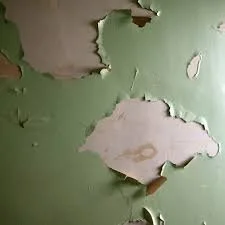
» Quick Summary: Lead-based paint is a common legacy material found in Hawaii homes constructed prior to the federal ban in 1978. Because island humidity and trade winds cause paint to chip, flake, and chalk, understanding lead testing, dust control, and safe prep techniques protects your family and ensures compliant home repairs.
💡 Quick Reference: Lead Paint Awareness
What It Is
Heavy metal paint additives used for durability and color that pose health risks when flaking, peeling, or disturbed during renovation sanding.
Where It Is Found
Historic homes, plantation cottages, and pre-1978 residential structures across Honolulu, Windward Oahu, and older island communities.
Key Safety Rules
Never dry-sand, power-plane, or open-flame torch pre-1978 painted surfaces without verifying lead content using an EPA-recognized test kit or XRF analyzer.
Best Encapsulation Approach
If intact and undisturbed, lead-based paint is safest when sealed beneath specialized encapsulant coatings, high-grade primers, and fresh topcoats.
Need Help with Surface Prep or Interior Repairs?
Keep your living spaces safe and updated. FIXIT Oahu assists local homeowners and property managers with dust-controlled wall patching, interior and exterior painting, trim repair, and general handyman maintenance.
📞 Call or Text: 808-721-4647
📧 Email: service@fixitoahu.com
📍 Service Area: Honolulu, Windward, and Leeward Oahu
Q: Which Hawaii homes are most likely to have lead-based paint?
A: Homes constructed prior to the federal consumer ban in 1978—especially pre-1960 plantation homes and historic Honolulu residences—frequently contain lead paint.
Q: How can I safely test my interior walls for lead paint?
A: Use an EPA-recognized lead test kit by scraping a small notch through all paint layers down to the bare substrate to test the deepest coats.
Q: Is intact lead paint dangerous if it isn't chipping?
A: Intact lead paint beneath fresh topcoats is generally safe. The primary danger comes from friction surfaces (like sliding windows or door jambs) that generate lead dust.
Q: What is the safest way to repaint over old lead paint?
A: Clean the surface with a wet cloth, avoid dry sanding, apply an EPA-approved encapsulating primer, and cover with two topcoats of quality latex paint.