

Cast Iron Pipes on Oahu: What to Watch, What to Fix, What to Prevent
By FIXIT Oahu Team | February 23, 2026 | 8 minutes to read
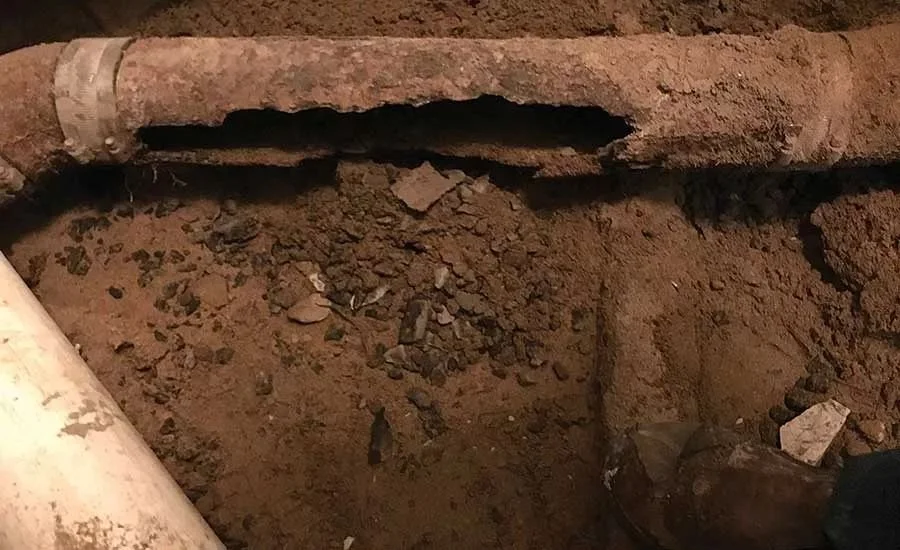
Quick Take
Cast iron pipes are common in older Oahu homes and buildings, mainly for drain, waste, and vent lines. They can serve for decades, but age plus salt air and humidity can speed up rust, leaks, and repeat clogs. The earlier you spot the pattern, the simpler the repair usually is.
What It Is
Cast iron pipes are heavy metal pipes used mostly to carry used water from sinks, tubs, showers, and toilets out of the house. They were popular because they are strong and quiet. The tricky part is that many problems start on the inside, where you cannot see the corrosion until flow slows or leaks show up.
Why It Matters on Oahu
Oahu’s environment is rough on older systems, even when the pipe is inside walls.
Coastal salt air: Salt speeds up corrosion, especially in homes makai (toward the sea).
Humidity and rain: Moist air helps rust keep going, and heavy rains can stress older drain setups.
Older single-wall homes and mixed-era remodels: Cast iron is often tied into newer ABS/PVC. Poor transitions can leak or catch debris.
Moisture and pests: Leaks can feed mold and wood rot, and termites can turn a small plumbing leak into a bigger repair.
Under-slab bathrooms: Many older drains run under concrete. When cast iron fails under a slab, the fix is more complex.
Common Signs of Cast Iron Pipes Trouble
These clues are homeowner-friendly. One sign alone is not proof, but a pattern matters.
Drains are slow in more than one fixture
Gurgling from a sink, tub, or floor drain
Sewer smell indoors, especially after rain
Water stains on walls or ceilings below a bathroom
Damp cabinet bottoms under sinks
Rust flakes or dark grit in a tub or shower
Clogs that return often, even after clearing
Soft floor near a toilet, tub, or shower
Visible rust, weeping, or cracking at joints on exposed pipe
What Causes It
Most cast iron problems come from a mix of age, chemistry, and movement.
Inside-out corrosion: Over time, the inside surface rusts and becomes rough. Rough pipe grabs hair, grease, and debris, so clogs build faster.
Pitting and thinning: Rust can create small pits that slowly deepen. Eventually the wall thins enough to seep or crack.
Settling and vibration: Homes shift. Slabs settle, framing moves, hangers loosen. Cast iron is strong but not flexible, so joints can open up.
Bad transitions: When cast iron connects to plastic, the coupling and support have to be right. If not, leaks or “catch points” form.
Root intrusion (often outside): Roots can enter through small openings in older lines, then create major blockages.
Risks and “When It’s Serious”
Cast iron issues range from annoying to urgent.
Sewer gas and odors: A repeating sewer smell is a warning sign. Sewer gas can irritate eyes and breathing.
Hidden water damage: Small leaks can soak drywall, cabinets, and framing. In Hawaii’s warmth, moisture can lead to mold growth.
Floor and tile damage: Leaks near toilets and tubs can rot subflooring and crack tile.
Cost escalation: Waiting often turns a simple access repair into demolition, drying work, and rebuild.
When it’s serious: Bring a pro in sooner if you have sewage backing up, active dripping, a ceiling bulge, strong recurring sewer smell, or multiple fixtures backing up at once.
What You Can Do Safely
Keep DIY steps low-risk and focused on prevention and observation.
DIY-safe steps
Use sink strainers and tub hair catchers.
Keep grease out of drains. Wipe pans into the trash before washing.
Clean pop-up stoppers and P-traps (if you are comfortable and can do it without forcing anything).
Check exposed pipe for dampness, rust streaks, or white mineral trails.
Note when problems happen: after rain, after laundry, after guests, or at certain fixtures.
What NOT to do
Do not pour harsh chemical drain cleaners into older cast iron. They can worsen corrosion and can burn you if the drain backs up.
Do not force a snake or auger if you feel hard resistance. Old pipe can crack, and cables can get stuck.
Do not open walls or break tile “just to see.” Hidden mold or sewage contamination can be involved.
Safety note: Plumbing work can involve sewage, mold, and sharp corroded metal. If you not sure, pause and call a pro.
FIXIT Recommendation (What We Typically Do)
We do on-site assessment on Oahu, so photos not always required. We may ask for measurements or a few pictures for quicker quoting on certain jobs.
What we inspect/check on-site
Which fixtures are slow, which gurgle, and where odors show up
Exposed cast iron runs, joints, hangers, and slope
Transitions from cast iron to ABS/PVC and any signs of seepage
Toilets, tubs, and vanities for moisture and soft spots
When needed, a camera inspection to see interior rust, cracks, bellies (low spots), or roots
Typical fixes/repairs we recommend (options + why)
Clear and confirm: Proper mechanical clearing, then verify with a camera when repeat clogs are the issue.
Targeted replacement: Replace a leaking or cracked section, rebuild the joint with correct couplings, and add proper support.
Fix slope and supports: Correct sagging runs so waste flows and does not sit in the pipe.
Staged repipe plan: If multiple areas are failing, we plan replacements by “zones” so you stop chasing leaks.
How we help prevent it from coming back (maintenance plan)
Grease and hair control habits that reduce buildup
Periodic maintenance for known problem lines
Baseline camera record for older homes, so you can plan repairs before an emergency
Moisture checks around repairs to reduce mold and wood damage risk
Repairs for Cast Iron Pipes
Common solutions for cast iron pipes depend on access and how far corrosion has spread.
Spot repair (replace a section)
Pros: Fast when exposed, lower disruption
Cons: If the rest of the line is near end-of-life, more failures can follow
Branch line replacement (one bathroom group, kitchen line, or vent stack)
Pros: Solves repeat issues in one area, good value for many homes
Cons: May require opening a wall or ceiling
Main sewer line repair or replacement
Pros: Addresses whole-house backups and root issues
Cons: Can involve yard work or under-slab decisions
Lining (only in the right cases)
Pros: Can reduce demolition in certain runs
Cons: Not suitable for collapsed sections, major offsets, or badly deformed pipe
What affects cost (without quoting exact prices)
Pipe location: exposed, ceiling, wall, or under concrete
How much finish work is involved: tile, cabinets, drywall, concrete
Length of pipe, number of fittings, and number of transitions
Whether specialized clearing or camera inspection is needed
Access constraints around the property
Common Myths
Myth: “Cast iron lasts forever.”
Reality: It lasts a long time, but it still corrodes, especially in humid, salty environments.Myth: “If the outside looks fine, the pipe is fine.”
Reality: Many failures start inside, where the pipe gets rough and narrow.Myth: “Chemical drain cleaner is the best fix.”
Reality: It can damage old pipe and is risky if the drain backs up.Myth: “A stronger snake is always better.”
Reality: Forcing tools can crack brittle sections or damage joints.
Preventive Maintenance for Hawaii Homes
A simple checklist goes a long way.
Monthly
□ Clean hair catchers and sink strainers
□ Keep grease out of the drain
□ Quick look under sinks for dampness
Every 6 months
□ Check exposed cast iron for rust streaks or drips
□ Look for sagging pipe supports
□ Note any gurgling or smells after rain
Yearly
□ If you have repeat clogs, consider a professional drain check
□ If your main line is older and near trees, ask about root risk and a camera look
FAQ
How do I know if my home has cast iron pipes?
Look for heavy, dark metal drain pipes, often with older joints or banded couplings. Many older Oahu homes still have cast iron drains.
Is a sewer smell always a cast iron problem?
Not always. It can be a dry trap, a vent issue, or a leak. If it keeps returning, it deserves a check.
Can I use a small hand snake from the store?
Sometimes for a simple sink clog, gently. If you feel hard resistance or clogs keep returning, stop and get help.
Why do problems feel worse when it rains?
Rain and humidity can change airflow and pressure in vent systems, and wet conditions can make leaks and odors more noticeable.
Should I replace all my cast iron at once?
Not always. Some homes do well with targeted replacements. A camera inspection can help decide if a staged plan makes sense.
Is a camera inspection worth it?
For repeat clogs, suspected under-slab plumbing issues, or unknown pipe condition, yes. It replaces guessing with evidence.
Quick “Call FIXIT If…”
Sewage backs up into a tub, shower, or floor drain
Multiple fixtures clog at the same time
Sewer smell keeps returning
You see staining, bubbling paint, or an active drip under a bathroom
The toilet rocks, the floor feels soft, or tile is cracking near plumbing
You suspect a leak under a slab or inside a wall
Clogs return every few weeks even with careful use
Better catch um early than wait till it get worse.