

Knob & Tube Wiring in Oahu Homes: A Clear, Local Guide
By FIXIT Oahu Team | February 23, 2026 | 8 minutes to read
Quick Take
Knob & Tube Wiring is an older electrical system that still shows up in some Oahu homes, especially in mixed-era neighborhoods and older single-wall houses. It can run for decades, but age, moisture, and past add-ons can make it risky. A careful on-site electrical inspection is the smartest first step before you renovate or add more load.
What It Is: Knob & Tube Wiring
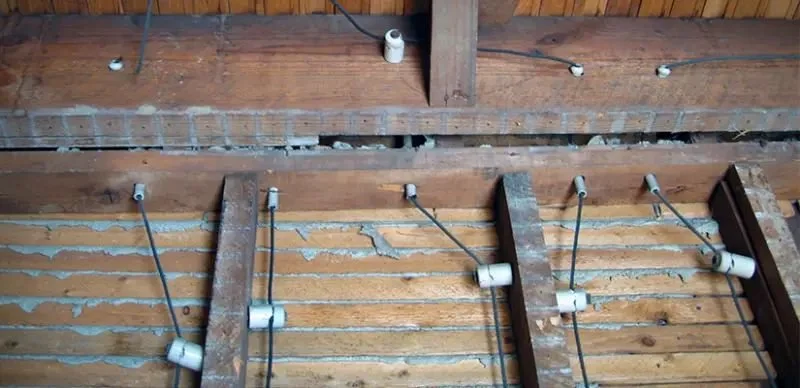
Knob & tube wiring (often called K&T) is an early method of electrical wiring used before modern plastic-sheathed cable. The “hot” and “neutral” wires run separately, supported by ceramic knobs, and pass through framing using ceramic tubes.
It was designed to sit in open air and carry lighter electrical demand than most homes use today.
Why It Matters on Oahu
Oahu’s climate is hard on old systems. Humidity, sudden rain, and long damp seasons can speed up aging. Near makai (toward the ocean), salt air can also push corrosion on metal parts and connections. Add termites, older framing, and decades of remodels, and you can end up with wiring that has been patched many times.
Why K&T needs extra attention here:
Moisture can break down old cloth or rubber insulation, especially in attics.
Salt air can corrode boxes and connections, which can lead to loose, hot joints.
Modern loads like split AC, microwaves, and dryers can stress old circuits.
Common Signs
These signs do not automatically mean danger, but they are strong reasons to schedule a check.
Two-prong outlets (no ground) in older rooms
Flickering or dimming lights when appliances turn on
Warm outlet covers or switch plates
Buzzing, crackling, or a “hot” smell near outlets
Breakers tripping often, or fuses blowing more than once
Cloth-covered wire in the attic or ceiling void
Brittle, cracked, or frayed insulation on visible wiring
Splices outside a proper junction box, or loose wire nuts
What Causes It
Most K&T problems come from time and changes in how the home is used.
Insulation breakdown: Old rubber and cloth get dry and crack.
Loose connections: Resistance builds at weak joints and creates heat.
Unsafe modifications: Newer cable tied into old wiring without proper protection.
Overloading: Old circuits were built for fewer outlets and lighter appliances.
Older equipment: Fuse boxes and older panels may lack modern safety features.
Risks and When Knob & Tube Wiring Is Serious
Electrical issues can stay hidden until they fail. The main risks with aging knob & tube wiring are:
Fire risk from overheating connections, damaged insulation, or unsafe splices
Shock risk from exposed conductors or ungrounded outlets
Hidden damage inside walls or ceilings that spreads before you notice
Cost escalation when a small repair turns into emergency work
When it’s serious
Bring in a pro sooner if you notice:
Burning smell, smoke, scorch marks, or melted plastic
Repeated tripping, or strong dimming when something turns on
Warm or buzzing outlets and switches
Signs of arcing (sparks) or damaged insulation
Water intrusion near wiring from a roof leak or plumbing issue
Safety note: If you not sure, pause and call a pro. Do not test it by “trying one more time.”
What You Can Do Safely
You can do a few safe steps without touching wiring.
DIY-safe steps:
Reduce load: Avoid stacking multiple high-draw appliances on one outlet line.
Stop using questionable outlets: If an outlet feels warm or smells hot, unplug items and leave it alone.
Keep access areas clear: Do not bury wiring under attic storage. Wires need space to release heat.
Track patterns: Note which rooms flicker or trip. That helps the inspection.
Fix moisture sources: Roof leaks and bad venting make electrical problems worse over time.
What NOT to do:
Do not cut, tape, splice, or cap old wiring yourself.
Do not cover knob & tube wiring with insulation.
Do not swap outlets or switches on unknown wiring unless you are trained.
FIXIT Recommendation (What We Typically Do)
We approach knob & tube wiring like a safety assessment first, then a practical plan that fits the home and budget. We do on-site assessment on Oahu, so photos not always required. We may ask for measurements or a few pictures for quicker quoting on certain jobs.
What we inspect/check on-site
Map where K&T exists and where newer wiring begins
Check the breaker panel or fuse box condition and labeling
Look for open splices, exposed conductors, and heat damage
Test outlets and switches for grounding, fit, and signs of overheating
Check moisture issues (roof leaks, bathroom venting, damp crawl spaces)
Review current appliance load and any planned renovations
Typical fixes/repairs we recommend (options + why)
Common recommendations include:
Make-safe repairs: Correct unsafe splices and damaged devices to reduce immediate risk.
Dedicated circuits in high-load areas: Kitchens, laundry, and AC equipment often need their own runs.
Protection upgrades: Adding appropriate GFCI protection can reduce shock risk in key areas while you plan bigger upgrades.
Partial or full rewiring: When insulation is failing or K&T is widespread, replacing it with modern grounded wiring is often the best long-term move.
Panel evaluation: If the service is undersized or outdated, we plan upgrades so everything is properly protected.
How we help prevent it from coming back (maintenance plan)
On Oahu, prevention is house health:
Keep water out with timely roof and flashing repairs
Improve venting to manage humidity
Plan electrical upgrades before adding new appliances
Recheck after major storms or roof work if the home had prior concerns
Repairs and Typical Solutions for Knob & Tube Wiring
The best option depends on how much K&T remains, how it was modified, and how the home is used.
Common paths:
Targeted make-safe repairs
Pros: quicker, less disruption.
Cons: old wiring remains and may still limit future upgrades.Partial rewire (priority circuits)
Pros: improves safety where demand is highest, staged budget.
Cons: mixed wiring stays until the rest is upgraded.Full rewire
Pros: removes old wiring, adds grounding, supports modern circuits.
Cons: more access work and likely patching and painting afterward.Service or panel upgrades (when needed)
Pros: better protection and capacity.
Cons: requires careful planning and coordination with other work.
What affects cost, without quoting exact prices:
Home size, layout, and access (attic and crawl space)
Single-wall vs double-wall construction and available pathways
Condition of the existing panel and how many new circuits are needed
Amount of patching after wiring runs
How many unknown prior modifications show up during the job
Common Myths
Myth: “If it still works, it’s safe.”
Correction: It can work and still be risky due to hidden insulation damage or loose connections.Myth: “Knob & tube is automatically illegal.”
Correction: Rules vary. Focus on real conditions and safety, not rumors.Myth: “Just cover it with attic insulation.”
Correction: K&T needs air space to shed heat. Covering it can raise temperatures.Myth: “A three-prong adapter makes it grounded.”
Correction: Grounding is a real conductor path, not a plug shape.
Preventive Maintenance for Hawaii Homes
Fix roof leaks and ceiling stains fast
Keep attic and crawl spaces dry and ventilated
Avoid overloading outlets with high-draw appliances
Use bathroom fans and kitchen vents to reduce indoor humidity
Schedule an electrical check before adding AC or remodeling kitchens and baths
Ask for an evaluation if you see cloth-insulated wiring or old splices
FAQ
1) Is knob & tube wiring always dangerous?
Not always. The risk depends on condition, modifications, and electrical load. An on-site inspection is the only honest way to know.
2) Why do lights flicker when the fridge or AC starts?
It can be voltage drop from an overloaded circuit or a loose connection. In older wiring, it is common and worth checking.
3) Can I replace two-prong outlets with three-prong outlets?
Be careful. Three-prong outlets suggest grounding. If the circuit is ungrounded, you can create a false sense of safety. A pro can recommend safe options.
4) Do I need a full rewire right away?
Not always. Some homes do staged upgrades: fix the highest-load circuits first, then plan the rest.
5) I saw cloth wiring in the attic. Should I touch it?
No. Leave it alone and schedule an inspection. Old insulation can crumble when disturbed.
Quick “Call FIXIT If…”
You have knob & tube wiring and you are adding split AC, a new kitchen, or laundry equipment
Breakers trip often, fuses blow, or lights flicker regularly
Outlets or switches feel warm, buzz, or smell hot
You see brittle cloth insulation or exposed conductors
There is a roof leak or water damage near electrical runs
You found open splices or “mystery” wiring from old remodels
You want clear, practical guidance for buying, selling, or renovating an older Oahu home
Better catch um early than wait till it get worse.