

Popcorn Ceiling in Oahu Homes: What It Means and What to Do
By FIXIT Oahu Team | February 23, 2026 | 7 minutes to read
Quick Take
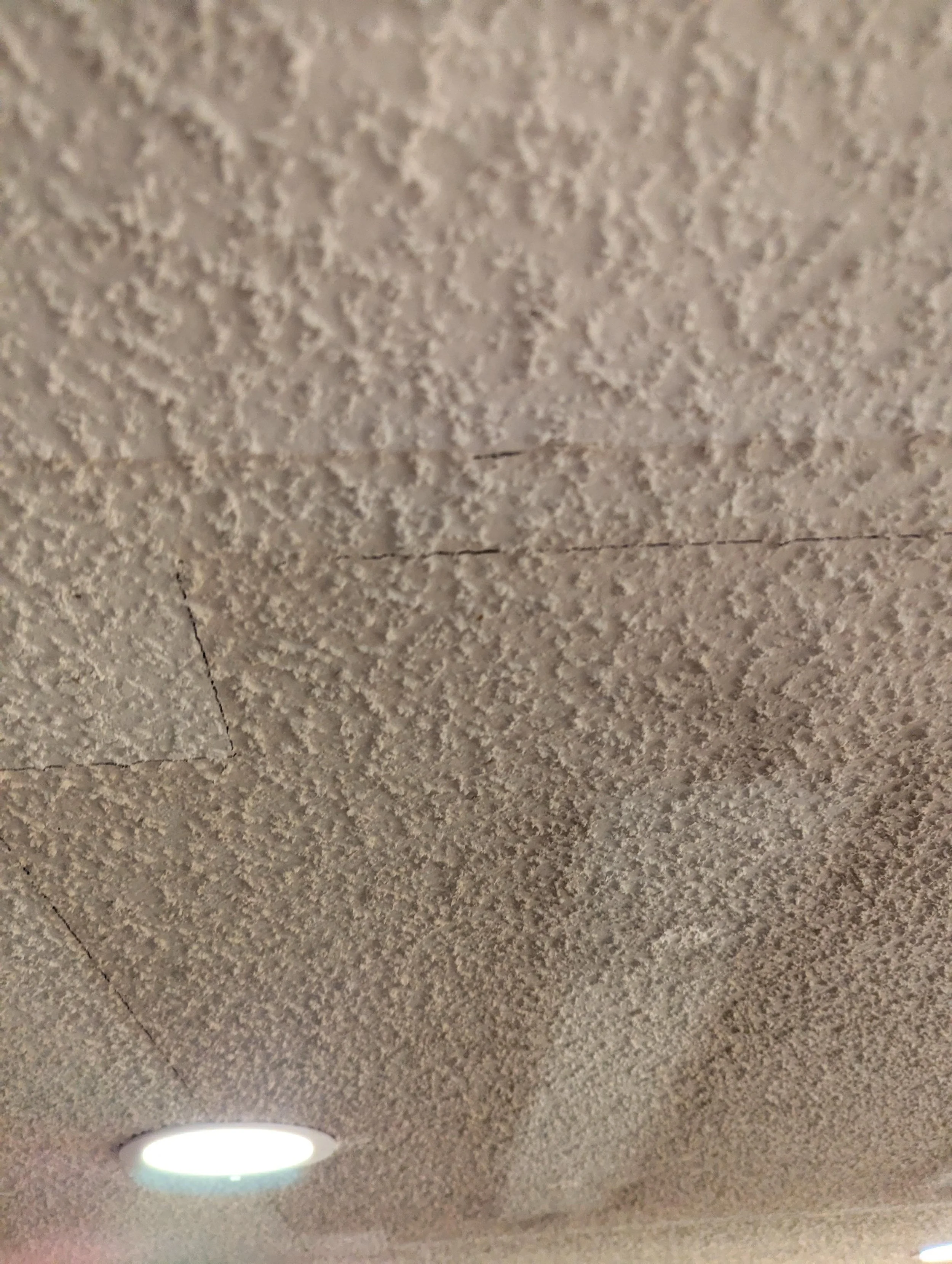
Popcorn ceiling is the bumpy “cottage cheese” ceiling texture common in older homes. On Oahu, leaks and humidity can stain it, soften it, or make it flake. The key safety rule is simple: do not scrape or sand an older popcorn ceiling until you know what it contains.
What It Is (Popcorn Ceiling)
A popcorn ceiling is a sprayed-on texture that creates a rough, raised surface. Builders used it to hide small ceiling flaws and speed up finishing work. It is usually applied over drywall, sometimes over older plaster or mixed materials after renovations.
Why It Matters on Oahu
Our islands add a few stressors that make ceiling problems show up faster:
Humidity and warm air keep surfaces damp longer, especially in bathrooms and kitchens.
Wind-driven rain can push water into small roof gaps, then you see the stain later.
Salt air (more common makai, meaning closer to the ocean) speeds up metal rust and can create recurring brown spotting.
Older homes and additions can move more at seams, especially single-wall houses and mixed-era construction.
Popcorn texture also makes repairs harder to blend. A small patch can look obvious under bright window light.
Common Signs
Yellow or brown rings, streaks, or blotches
Flaking or “snow” falling onto furniture
Bubbling paint, peeling, or a spot that looks melted flat
Hairline cracks along straight seams or near corners
Sagging area, or a soft feel when lightly touched
Rust dots that return after repainting
Musty smell after rain or shower use
What Causes It
Moisture is the main driver. Most issues trace back to one of these:
Roof leaks: flashing, penetrations, old sealant, clogged gutters, wind-driven rain
Plumbing leaks: a bathroom or AC line above the ceiling, sometimes slow enough to hide
Condensation: steam meets a cooler ceiling, especially with weak ventilation
Age and movement: seams crack as framing swells and dries over time
Poor adhesion or heavy repainting: some textures were never well bonded, and layers of paint can add weight
Risks and “When It’s Serious”
Popcorn ceiling can be cosmetic, but there are real risk zones.
Possible asbestos in older textures. Some popcorn ceiling materials used decades ago contained asbestos. You cannot confirm by sight. The risk rises when the material is disturbed and fibers become airborne.
Hidden mold after leaks. A stain does not always mean mold, but repeated dampness can grow mold on paper-faced drywall or in the attic insulation above.
Collapse and electrical risk. If the ceiling is soft or sagging, drywall can fail. If water reaches wiring or light fixtures, you can get flickering lights, tripped breakers, or buzzing.
Safety note: If you not sure, pause and call a pro. Avoid scraping, sanding, or drilling lots of holes until the material and cause are understood.
What You Can Do Safely
DIY is fine for observation and moisture control. Skip anything that creates dust.
Safe steps
Document it: photo now, photo after the next heavy rain. Growth usually means active moisture.
Reduce humidity: run the bathroom fan during showers and 15 to 20 minutes after. Use airflow with trade winds when weather allows.
Check basics: clogged gutters, roof debris, dripping supply lines, overflowing AC drain pans.
Protect below: move furniture, cover floors, bucket if needed.
What NOT to do
Do not scrape or sand the texture, especially on older ceilings.
Do not press hard to “test” softness.
Do not paint over an active stain and call it fixed.
Do not spray harsh cleaners overhead. It can damage paint and irritate lungs.
FIXIT Recommendation (What We Typically Do)
What we inspect/check on-site
Confirm whether it looks like roof, plumbing, condensation, or movement
Check texture stability, seams, sagging, and stain patterns
When accessible, check attic conditions: wet insulation, venting, roof penetrations
Review nearby fixtures: bath fans, recessed lights, AC vents, plumbing runs
Talk story about timing: after rain, after showers, seasonal patterns
If disturbance is likely on an older popcorn ceiling, we discuss testing options before removal work
We do on-site assessment on Oahu, so photos not always required. We may ask for measurements or a few pictures for quicker quoting on certain jobs.
Typical fixes/repairs we recommend (options + why)
Fix the source first: leak repair, venting improvements, or plumbing correction.
Stabilize the ceiling: dry, seal stains, and repair only if the board is still solid.
Replace compromised sections: if drywall is swollen, soft, or sagging, patching over it usually fails later.
Match or modernize: blend the texture for a consistent look, or shift to a smoother finish in that room.
How we help prevent it from coming back (maintenance plan)
Ventilation habits and fan checks for high-humidity rooms
Simple leak watch list after storms and strong trades
Moisture control tips for Hawaii homes (airflow, dehumidifiers, bathroom timing)
Early crack and seam touch-ups so problems do not spread
Repairs and Typical Solutions (Popcorn Ceiling Options)
Option A: Seal and repaint.
Good for dry, stable stains and solid texture. Least disruption, but not a leak fix.
Option B: Spot patch and texture match.
Good for small damaged areas. The challenge is matching texture and lighting, so full ceiling repaint in that room may be recommended for blending.
Option C: Replace a section of ceiling.
Best when drywall is soft, sagging, or repeatedly wet. Stronger long-term result, but more prep and retexturing.
Option D: Skim coat or cover to a smoother look.
A popular modernization path. More labor, but future touch-ups are easier than textured ceilings.
What affects cost (without exact prices): room size, ceiling height, access, amount of prep, number of coats, whether the source repair is roof or plumbing, and whether testing or containment is needed for older materials.
Common Myths
Myth: Popcorn ceiling always has asbestos. Some do, some do not. Testing is the reliable answer.
Myth: A stain means mold for sure. Stain means moisture happened. Mold depends on how long it stayed damp.
Myth: Paint fixes it. Paint can hide, but moisture and movement bring it back.
Myth: Texture matching is easy. It is doable, but it takes practice and the right setup.
Preventive Maintenance for Hawaii Homes
Run bathroom fans during and after showers
Keep gutters and downspouts clear before storm season
Watch roof penetrations (vents, skylights, solar mounts) after big wind
Fix plumbing drips and AC drain issues early
Track any ceiling stain after rain and address it quickly
Keep indoor humidity controlled with airflow or a dehumidifier
FAQ
1) My popcorn ceiling has a brown ring. Is it still leaking?
Not always. If the ring grows after rain or the ceiling feels soft, treat it like an active leak.
2) How can I tell if my popcorn ceiling might contain asbestos?
Age is a clue, not proof. If you plan to disturb it, testing is the safest way to know.
3) Why does my bathroom ceiling look worse?
Steam plus weak ventilation equals condensation. Better fan use and airflow often slows staining and peeling.
4) Can I just repaint it?
If the texture is solid and the moisture source is fixed, repainting can work. If it is flaking, heavy paint can add weight and make it shed more.
5) Will a patch show?
Sometimes, especially with side lighting from windows. Repainting the whole ceiling in that room helps blend repairs.
6) When is replacement smarter than patching?
When drywall is swollen, soft, sagging, or has repeated water exposure. Solid substrate matters more than cosmetics.
Quick “Call FIXIT If…”
The stain grows after rain, or water is actively dripping
The ceiling is sagging, soft, or shedding heavily
You suspect an older ceiling and disturbance is needed
There is a musty smell that does not clear with drying and ventilation
Lights flicker, breakers trip, or a fixture buzzes near the stain
You want a clean, blended finish without trial-and-error mess
Better catch um early than wait till it get worse. Once it’s pau (finished), you can breathe easy.