

Single-Wall Construction on Oahu: What Homeowners Should Know
By FIXIT Oahu Team | February 23, 2026 | 8 minutes to read
Quick Take
Single-wall construction is a common building style in many older Hawaii homes, especially plantation-era homes and mid-century neighborhoods. It can hold up great on Oahu, but salt air, wind-driven rain, humidity, and termites make maintenance and smart repairs extra important.
What Single-Wall Construction Is
Single-wall construction is a way of building where the exterior wall boards are also the main structure of the wall. In many cases, there is little or no wall cavity like you see in newer “double-wall” homes (studs, insulation, drywall, and exterior sheathing).
Simple version: the wall boards do the job of both “skin” and “bones.”
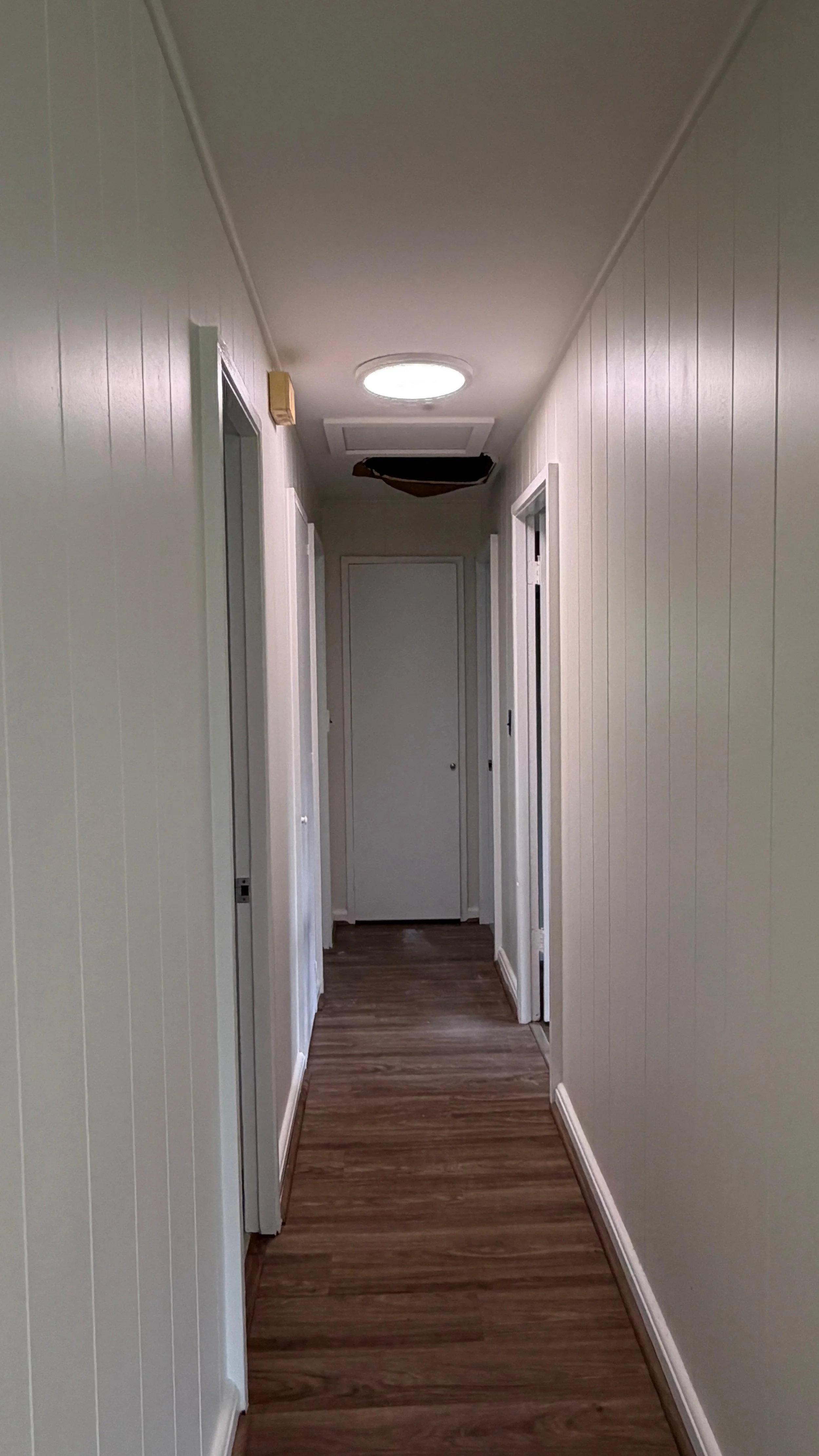
On Oahu, you will often see single-wall homes with wood boards running vertically, sometimes with battens (thin strips) covering the seams. Inside, you might see wood walls instead of drywall, especially in original sections of the house.
Many homes here are mixed-era construction. The original part might be single-wall, then an addition was built later with modern framing. Those transition points matter because they move differently and can create gaps over time.
Why It Matters on Oahu
Oahu’s climate is nice for people, but tough on buildings. Single-wall construction can work well here, but it reacts quickly when water and pests get a foothold.
Here’s what makes Oahu different:
Humidity: Moisture hangs in the air and can slow drying, especially on shaded walls.
Wind-driven rain: Trade winds push rain sideways. Water can sneak in around trim, corners, and old fastener holes.
Salt air corrosion: Near the coast, salt speeds up rust on nails, screws, brackets, hinges, and anchors.
Termite pressure: Termite damage is a real risk, especially where wood stays damp or touches soil.
Older materials: Repairs may involve old paint layers, older wiring routes, or hidden patches from past remodels.
Ventilation patterns: Many local homes “breathe” differently than newer sealed-up builds. Wrong repairs can trap moisture.
A big goal with single-wall homes is balance. You want to keep water out, but you also want the wall to dry out properly after wet weather.
Common Signs in Single-Wall Construction Homes
Not every sign means your house is failing, but these are homeowner-friendly signals to pay attention to:
Walls that look wavy, bowed, or slightly leaning
Soft spots in boards or trim (gentle press only, no poking)
Cracks forming around windows and doors, especially at corners
Doors that stick or no longer latch cleanly
Gaps opening between boards, trim pieces, or baseboards
Paint bubbling, peeling, or chalking, especially on the makai side (ocean-facing)
Rust stains or visible corrosion on exterior fasteners and hardware
A musty smell near outside walls or closets
Signs of termite activity: mud tubes, tiny pinholes, wood dust, or wings near windows
Noticeable wall rattle or flex during strong wind
Small changes that keep getting worse are more important than one old crack that never moves. If you can, take a quick photo today and compare in a month.
What Causes It
Most problems with single-wall construction come from a few basic causes working together.
1) Moisture intrusion
Water gets behind boards through gaps at corners, old trim, window frames, or nail holes. Over time, that leads to swelling, paint failure, and wood rot.
2) Wood movement
Wood expands and contracts with moisture and temperature. Over decades, that movement loosens joints and fasteners. It is normal for wood to move. The issue is when movement creates openings for water.
3) Salt air corrosion
Salt is sneaky. It speeds up rust and can weaken nails, screws, and metal connectors. When fasteners lose grip, boards loosen, and walls can start to flex more.
4) Termite damage
Termites do not always show themselves early. A single-wall home can look fine on the surface while the wood behind a trim area is being eaten or softened.
5) Past repairs that do not match the system
Common examples:
Sealing everything tight with heavy coatings that trap moisture
Replacing boards without addressing the leak path
Cutting wall boards during remodels without proper reinforcement
Adding new materials that do not tie into the old structure correctly
Single-wall construction is not “bad.” It just needs repairs that respect how it was built.
Single-Wall Construction Risks and When It’s Serious
Some issues are cosmetic. Some can become safety problems or expensive repairs if ignored.
Risks to keep in mind:
Structural weakening: Rot or termite damage can reduce strength, especially around corners and openings.
Wind performance: If sections are loose or poorly braced, the wall can rack (shift sideways) more than it should in strong winds.
Moisture spread: Once rot starts, it can travel along boards, trim, and framing points.
Indoor air quality: Damp wall areas can support mold growth, even if you do not see it.
Hidden electrical concerns: Older homes may have older wiring routes running through walls or ceilings that need careful handling.
When it’s serious:
You see active termite signs (mud tubes, fresh droppings, swarming)
Wood feels soft, spongy, or hollow across more than a small spot
Cracks and gaps are growing quickly
Doors and windows suddenly go out of alignment
You have repeating leaks around windows, corners, or roof edges
You notice visible wall shifting or a section pulling away
Safety note: Older homes may involve hazards like lead-based paint, mold, or older electrical systems depending on age and renovation history. If you not sure, pause and call a pro. Better safe than sorry.
What You Can Do Safely
These are DIY-safe steps that help without creating new damage.
DIY-safe steps:
Check after heavy rain. Walk around the house and look for wet streaks, pooling water, and damp trim.
Keep water moving away. Make sure downspouts (if you have them) direct water away from the home, not into planting beds against the wall.
Trim vegetation back. Let walls breathe and dry. Wet plants pressed against siding keep moisture trapped.
Limit sprinkler spray on walls. Sprinklers hitting siding daily can cause chronic moisture intrusion.
Touch up paint and small gaps early. Early sealing and paint maintenance helps prevent rot.
Watch high-risk zones. Windows, doors, corners, bottom edges of walls, and the makai side take more abuse.
What NOT to do:
Do not coat everything with thick waterproof layers “to seal it up” without understanding drainage and drying.
Do not open walls or remove boards if you are unsure what is structural.
Do not scrape or sand old painted surfaces aggressively. Older paint can contain lead.
Do not DIY termite treatment inside wall cavities. Termite work is specialized and mistakes can hide the problem instead of solving it.
A good homeowner move is spotting change early. You do not need to diagnose everything yourself.
FIXIT Recommendation (What We Typically Do)
What we inspect/check on-site
We approach single-wall construction like a checklist, not a guess.
Confirm the wall type: true single-wall, or single-wall with later framing
Check wall alignment and flex, especially long wall runs and corners
Look for moisture intrusion patterns around windows, doors, trim, and roof edges
Inspect for termite signs and likely entry points (and recommend pest partners if needed)
Review fasteners and corrosion, especially near coastal zones
Check transition areas between original walls and additions, lanais, or carports
Identify likely “repeat problem” zones so repairs actually last
We do on-site assessment on Oahu, so photos not always required. We may ask for measurements or a few pictures for quicker quoting on certain jobs.
Typical fixes/repairs we recommend (options + why)
Most repairs fall into a few practical categories:
Targeted wood repair or board replacement where there is rot or termite damage
Why: restores strength while keeping the home’s original character.Re-fastening with corrosion-resistant fasteners where boards are loosening
Why: salt air corrosion is common, especially makai-facing walls.Window and door trim repair and resealing
Why: openings are the #1 place moisture intrusion starts.Localized bracing improvements in key wall sections
Why: improves wall stability and reduces future cracking.Fixing mixed-era transitions between old single-wall and newer additions
Why: those seams often leak and move differently, causing repeated gaps.
We keep it informative and give options, because not every home needs the same level of repair.
How we help prevent it from coming back (maintenance plan)
Prevention is where you save money and headaches.
Improve drainage and roof water control so water does not soak the wall base
Support proper drying with airflow and vegetation management
Maintain paint, caulk, and trim before moisture gets behind boards
Track problem zones and re-check them seasonally
Coordinate moisture control with termite prevention best practices
Local style advice: better do small maintenance now than big repair later. Get it pau in little steps.
Repairs and Typical Solutions
Here are common solution paths and what affects cost, without quoting exact prices.
1) Spot repairs (small areas)
Best for: a few damaged boards, small wood rot repair near a window, or isolated trim failure
Pros: faster, less disruption, preserves original look
Cons: if the moisture source is not fixed, damage can return
Cost drivers: access, material matching, hidden damage behind trim
2) Section repair (medium areas)
Best for: repeated paint failure on one wall, multiple boards swelling, chronic leaks
Pros: resets a problem zone and allows better sealing and fastening
Cons: more finish work, paint blending, and carpentry time
Cost drivers: length of wall, number of openings, termite damage depth
3) Reinforcement and bracing upgrades (stability work)
Best for: walls that flex, long runs that crack repeatedly, mixed-era additions
Pros: improves stability and wind resistance, reduces repeat cracking
Cons: may require opening limited areas and careful detailing
Cost drivers: layout, existing conditions, how much finish restoration is needed
4) Moisture control improvements (system fixes)
Best for: homes with moisture intrusion patterns and recurring rot
Pros: protects the whole building, not just one spot
Cons: may involve multiple coordinated changes (drainage, trim, sealing)
Cost drivers: site drainage, roof water handling, landscaping, condition of existing trim
A calm truth: the best repair is the one that fixes the cause, not just the visible symptom.
Common Myths
Myth 1: “Single-wall homes are unsafe by default.”
Correction: Many single-wall homes on Oahu have lasted decades. Condition and maintenance matter most.
Myth 2: “More caulk and more sealant always helps.”
Correction: Over-sealing can trap moisture. You want water out and drying ability in.
Myth 3: “No termites visible means no termite problem.”
Correction: Termite damage can be hidden. Regular inspections and moisture control matter.
Myth 4: “Cracks are always just settling.”
Correction: Some cracks are harmless, some are movement and moisture signals. Track whether it is changing.
Myth 5: “A fresh coat of paint fixes water issues.”
Correction: Paint protects, but it does not fix moisture intrusion behind boards or failing trim.
Preventive Maintenance for Hawaii Homes
Use this checklist a few times a year, and after big storms.
Walk exterior walls and check for new gaps, swelling, soft spots
Inspect window and door trim for cracks and failing caulk
Keep plants trimmed back so walls can dry
Confirm sprinklers are not soaking siding daily
Look for rust and replace failing hardware before it stains and loosens
Watch for termite signs around foundations, posts, and shaded corners
Touch up paint where bare wood shows
Pay extra attention to the makai side for salt air corrosion
Note any door or window alignment changes and see if it worsens
FAQ
1) How can I tell if my house is single-wall construction?
Many single-wall homes have wood boards as the interior wall surface in original areas, and the wall feels thinner than modern framing. An on-site assessment is the sure way to confirm.
2) Are single-wall homes harder to renovate?
They can be, because wall boards may be structural. Renovations should be planned so you do not remove support or trap moisture.
3) Why does my paint peel faster on one side of the house?
Sun exposure, wind-driven rain, and salt air vary by side. The makai side often wears faster. Trim gaps can also let moisture in behind paint.
4) What is the most common place rot starts?
Around windows and doors, at corners, and near the bottom of walls where splash-back happens. Those are moisture intrusion hotspots.
5) Can single-wall homes be made more stable in strong winds?
Often yes, depending on conditions. Stability improvements can involve better fastening, targeted bracing, and smarter repair of weak sections.
6) Should I open the wall to check for damage?
Not as a first step. You might disturb old paint layers, create new openings, or remove structural boards. Start with inspection and moisture checks.
7) If my home has an addition, what should I watch?
Watch the seam where old and new meet. Mixed-era construction often moves differently, which can create cracks, leaks, and repeat repairs if not handled right.
Quick “Call FIXIT If…”
You see active termite signs or suspect termite damage
Wood feels soft or spongy across more than a small spot
You have repeating leaks around windows, doors, or corners
Doors and windows suddenly stop aligning properly
Paint keeps failing in the same exact zone after repairs
A wall looks bowed or feels like it moves too much in strong winds
You are planning a remodel and are not sure what is structural
Better catch um early than wait till it get worse. A little care, done the right way, keeps these classic Oahu homes standing strong for the next generation of ʻohana.