Dealing with Asbestos Floor Tiles
If your Oahu home was built before 1980, you probably have a lot of history under your feet—literally. One of the most common things we see in mid-century island homes is resilient floor tile. Most of the time, it’s just old flooring. But sometimes, it’s a "9-inch mystery" that requires a little extra common sense.
Here is the straightforward, no-panic guide to identifying and managing asbestos tile in your Hawaii home.
Identifing the Tiles
You don’t need a lab to spot a suspect tile. Just grab a tape measure.
Modern Standards: Standard vinyl tiles today are almost always 12” x 12”.
The Clue: If you measure your tiles and find they are 9” x 9”, there is a very high probability they contain asbestos.
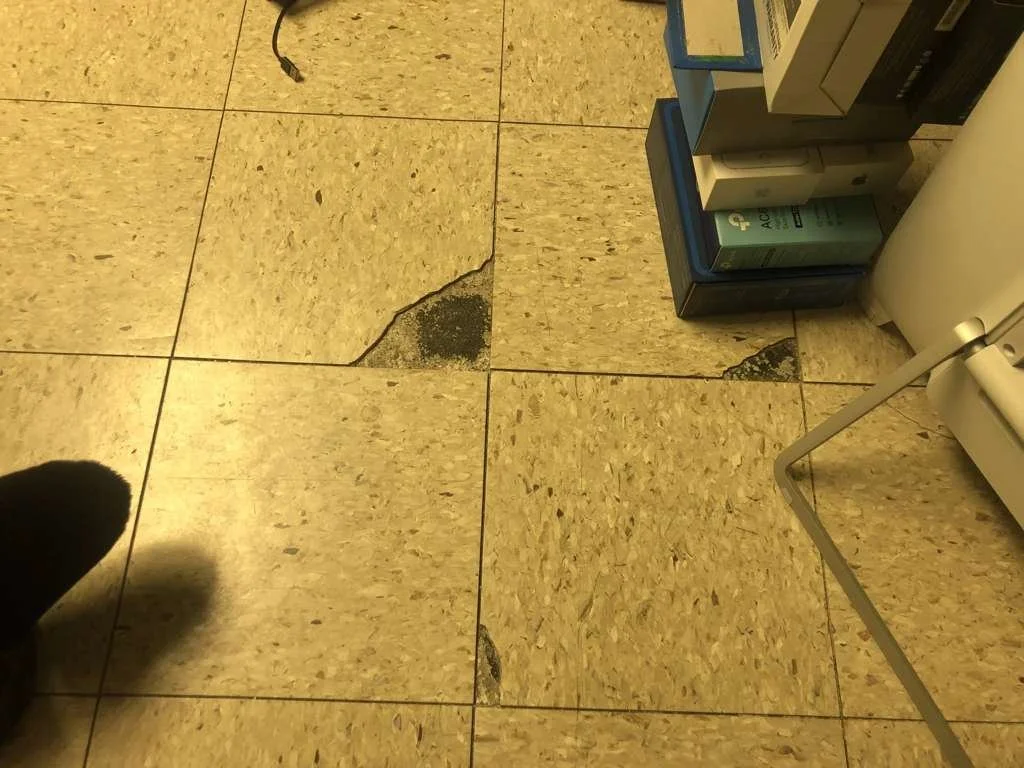
The Black Mastic: If a tile has lifted and you see a dark, tar-like adhesive underneath, that’s often black mastic, which frequently contains asbestos as well.
Neighbor-to-neighbor tip: Asbestos is a material, not a look. You can’t confirm it just by eyeballing the pattern, but the 9”x9” size is a classic red flag.
The Hawaii Reality: Moisture and Movement
Our environmental conditions don't create asbestos, but they can make the flooring behave differently.
Humidity & Leaks: In kitchens, laundry rooms, or entries where we kick off wet slippers, moisture can seep into the seams. This can loosen the adhesive and cause tiles to curl or pop.
Subfloor Stress: Many older Oahu homes are single-wall construction. As the ground shifts or the wood reacts to the wet-dry cycle, it can stress these brittle tiles, causing them to crack.
Termite Indicators: If a floor feels spongy under the tile, it’s often a sign of subfloor moisture or termite activity.
The Risk: Stirring the Dust
Here’s the good news: Asbestos tile is generally considered non-friable. This is a fancy way of saying the asbestos fibers are locked tight inside the vinyl. As long as the tiles are flat, intact, and you’re just walking on them, the risk is typically very low.
The danger starts when you try to:
Sand or Grind: Never, ever use a power sander on old tile or black mastic.
Shatter or Scrape: Dry-scraping tiles until they snap into pieces creates dust.
Vacuum: Using a regular shop-vac on broken tile debris can actually blow fine fibers back into the air.
The FIXIT Advice: Encapsulate
In Hawaii, the safest and most cost-effective solution is often to bury the problem. Unless the tiles are literally crumbling into dust, you usually don't need expensive abatement. If the floor is stable and relatively level, it is often better to leave the old tile exactly where it is and install a new layer of Luxury Vinyl Plank (LVP) or laminate right over the top. This effectively encapsulates the old material, keeping it sealed away without the risk of creating airborne dust.
What to Do If You See a Break
If you find a cracked or loose tile, don't panic.
Stop: Don't pull up more just to see.
Cover: If it’s in a high-traffic area, put a mat over it to prevent more breakage.
Damp Wipe: If there’s small debris, use a damp cloth to pick it up (don't sweep it).
Fix the Why: If a leak caused the tile to lift, fix the plumbing first so the subfloor stays stable.
The Bottom Line: Asbestos tile is a common element in Oahu's older homes. It’s not a crisis—it’s just a layer of the house that needs to be respected. Treat it with a what’s under it? mindset before you start any renovation.
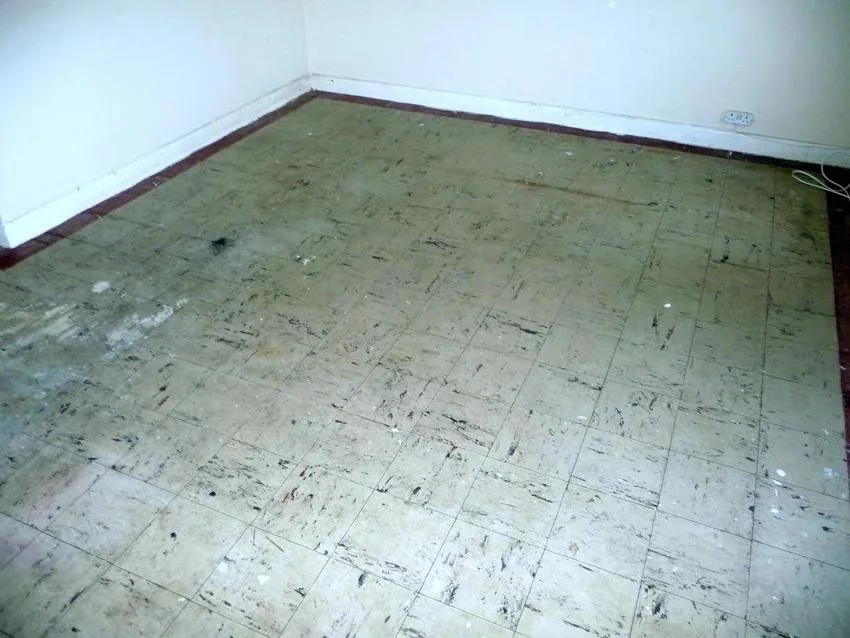
Quick Summary: Asbestos vinyl floor tiles and black mastic adhesives were widely installed in Hawaii homes and commercial buildings constructed prior to the 1980s. Because intact non-friable vinyl floor tiles pose minimal health risk when left undisturbed, the safest and most cost-effective approach is often floating a new waterproof flooring layer, such as Luxury Vinyl Plank (LVP), directly over the existing surface.
💡 Quick Reference: Asbestos Floor Tile Basics
What It Is
Vinyl composition tile (often 9x9 inch squares) and underlying black cutback mastic containing asbestos fibers used for strength and fire resistance.
Where It Is Found
Mid-century homes, plantation cottages, and older apartment units built across Oahu between 1950 and 1980.
Key Handling Rule
Never scrape, sand, grind, or saw old vinyl floor tiles or black adhesive. Dry-grinding or aggressive removal releases hazardous airborne asbestos fibers into your home.
Best Remodeling Approach
Encase the existing floor tile in place by applying an approved underlayment or installing 100 percent waterproof Luxury Vinyl Plank (LVP) directly on top.
Planning a Flooring Upgrade in Your Island Home?
Modernize your living spaces safely. FIXIT Oahu specializes in Luxury Vinyl Plank (LVP) installation, subfloor prep, baseboard replacement, and floor repairs across Oahu.
📞 Call or Text: 808-721-4647
📧 Email: service@fixitoahu.com
📍 Service Area: Honolulu, Windward, and Leeward Oahu