Knob & Tube: Spaghetti under the House
If you’re living in a classic Honolulu neighborhood like Manoa, Kaimuki, or Nu'uanu, your home likely has some beautiful vintage character. But if that home was built between 1920 and 1950, it might also have some vintage electrical known as Knob & Tube (K&T) wiring.
While it was a solid system for the 1930s when the biggest draw was a radio and a few lightbulbs, today’s world of split ACs, microwaves, and high-speed chargers puts a lot of stress on old lines.
The Identification: White Knobs and Parallel Lines
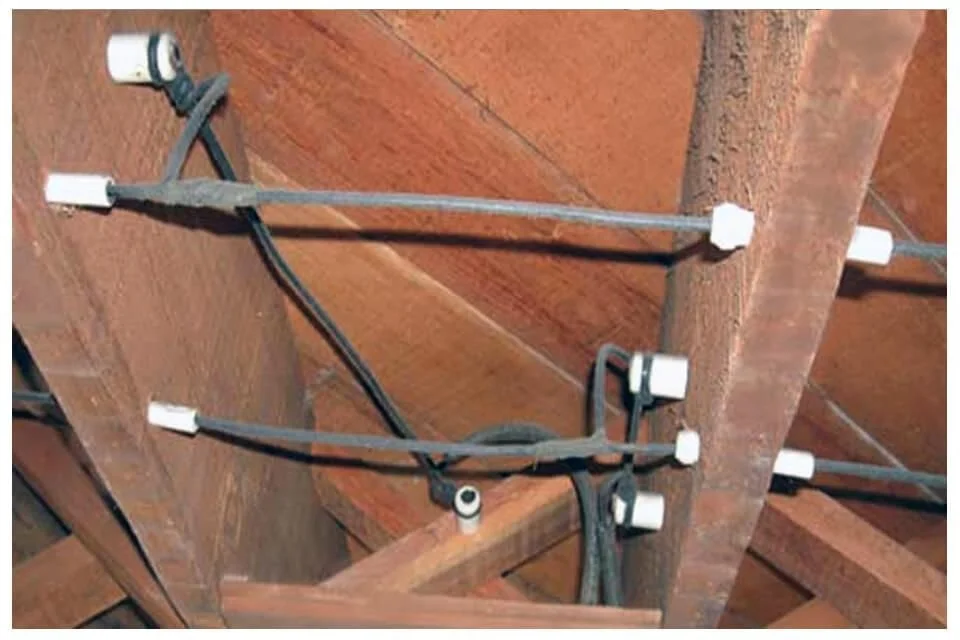
You don't need to be an electrician to spot K&T. If you peek into the crawlspace under your house, look for:
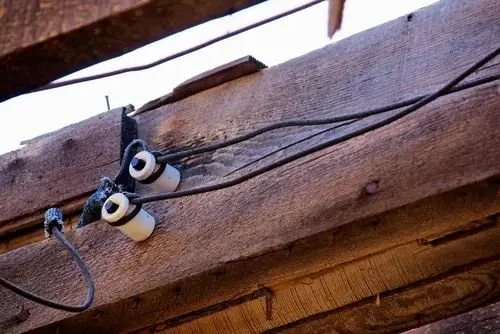
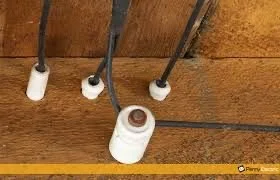
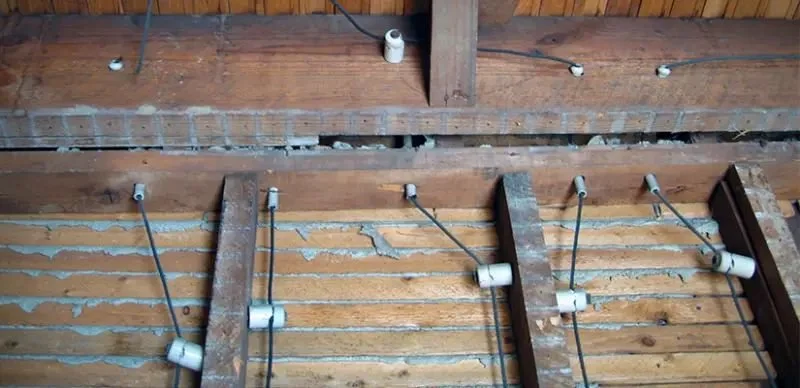
Ceramic Knobs: White porcelain cylinders used as anchors to keep wires off the wood.
Ceramic Tubes: Porcelain sleeves used where wires pass through floor joists or studs.
The Split Look: Unlike modern Romex (where all wires are bundled in one plastic jacket), K&T runs as two separate parallel wires—a hot and a neutral—spaced several inches apart.
The Hawaii Reality: Humidity and Geckos
Our island climate is particularly tough on old electrical.
Brittle Insulation: K&T wires are wrapped in rubber and cloth. In humidity and heat, that cloth becomes brittle and eventually turns to dust. This leaves the copper wire exposed.
The Gecko Factor: We love our mo‘o, but if they or (heaven forbid) rats chew on that brittle insulation or bridge the gap between two exposed wires, it’s a major fire hazard.
The Insurance Reality: This is the big one. Most Hawaii insurance companies now consider active Knob & Tube a deal-breaker and may refuse to cover your home or renew your policy until it’s updated.
The FIXIT Move: Modern Grounded Wiring
The gold standard is upgrading to modern Romex wiring, which includes a dedicated ground wire—something K&T lacks.
Pro Tip for Single-Wall Homes: A common concern for Oahu homeowners is: "How do you run new wires when I don't have hollow walls?" Since our classic single-wall T&G homes don't have studs to hide wires behind, we get creative. We often use sleek, paintable surface-mount conduit or hide the new runs behind crown molding and baseboards. You get a safe, modern system without tearing up your beautiful walls.
Common Signs It’s Time to Update
Two-Prong Outlets: If you can’t plug in a three-prong cord, you’re likely ungrounded.
Flickering Lights: Especially when the fridge or the microwave kicks on.
Warm Plates: If an outlet cover or switch feels warm to the touch, there’s resistance (and heat) building up inside.
A Hot Smell: A faint scent of burning plastic or ozone is an immediate stop and call sign.
What You Can Do Safely
Don't Overload: Avoid plugging power strips into power strips. If you have Knob & Tube, keep the load light.
Keep it Clear: Never cover Knob & Tube with insulation. These wires were designed to be open air to shed heat. Burying them can lead to overheating.
Fix Leaks: Water and old cloth wiring are a dangerous mix. Keep your roof and plumbing tight.
The Bottom Line: Knob & Tube served its purpose for decades, but it wasn't built for the 21st century. Upgrading your wiring isn't just about safety; it’s about making your home functional for modern life and keeping your insurance company happy.
Quick Summary: Knob and tube wiring is an early 20th-century ungrounded electrical system found in older Honolulu homes throughout Manoa, Kaimuki, and Nuuanu. Because it lacks a ground wire, relies on aging cloth insulation, and deteriorates when covered by attic insulation or overloaded with modern electronics, identifying and safely upgrading these circuits is crucial for fire safety and home insurance compliance.
💡 Quick Reference: Knob & Tube Wiring Basics
What It Is
Single-conductor copper wires routed through porcelain tube insulators in joists and supported by porcelain knobs along framing.
Where It Is
Found Historic and mid-century homes across older Metro Honolulu neighborhoods built before 1950.
Major Hazards
Brittle or flaking cloth insulation, lack of a equipment grounding wire, unapproved splices, and overheating when buried in thermal insulation.
Insurance Impact
Many Hawaii home insurance carriers require knob and tube wiring to be evaluated, decommissioned, or completely re-wired before issuing or renewing coverage.
Upgrading Fixtures or Electrical Devices in an Older Home?
Enhance safety and functionality in your home. FIXIT Oahu assists local homeowners and property managers with light fixture installations, ceiling fan replacements, switch updates, and everyday handyman repairs.
📞 Call or Text: 808-721-4647
📧 Email: service@fixitoahu.com
📍 Service Area: Honolulu, Windward, and Leeward Oahu
Q: Can I get home insurance on an Oahu home with knob and tube wiring?
A: Many insurance carriers reject or surcharge homes with active knob and tube wiring due to fire risks associated with aging cloth insulation and ungrounded circuits.
Q: Why is covering knob and tube wiring with attic insulation dangerous?
A: Knob and tube wiring dissipates heat into open air. Covering it with thermal insulation traps heat around the wires, creating a major fire hazard.
Q: Do knob and tube outlets have three-prong ground protection?
A: No, knob and tube is a two-wire ungrounded system. Plugging modern three-prong electronics into ungrounded outlets can damage sensitive equipment.
Q: Do I have to rewire my entire house to replace knob and tube?
A: Replacing active circuits with modern Romex wiring is the safest long-term solution, though electricians can often re-feed high-use rooms first.