Single-Wall Homes: The Plantation Classic
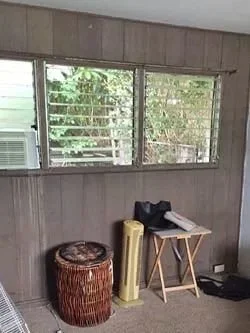
If you live in an older Oahu neighborhood, chances are you’re living in a Single-Wall (or Tongue and Groove, TNG) home. Dominating the Hawaii housing boom from the late 1940s through the 1970s, these houses are the backbone of our island’s plantation charm.
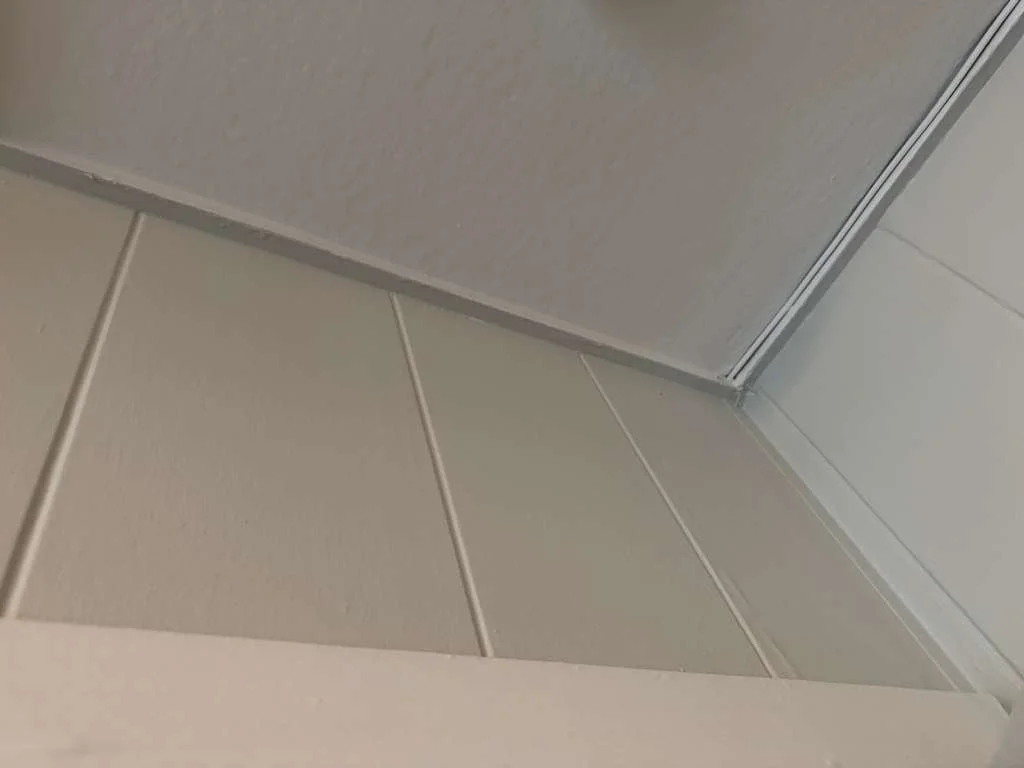
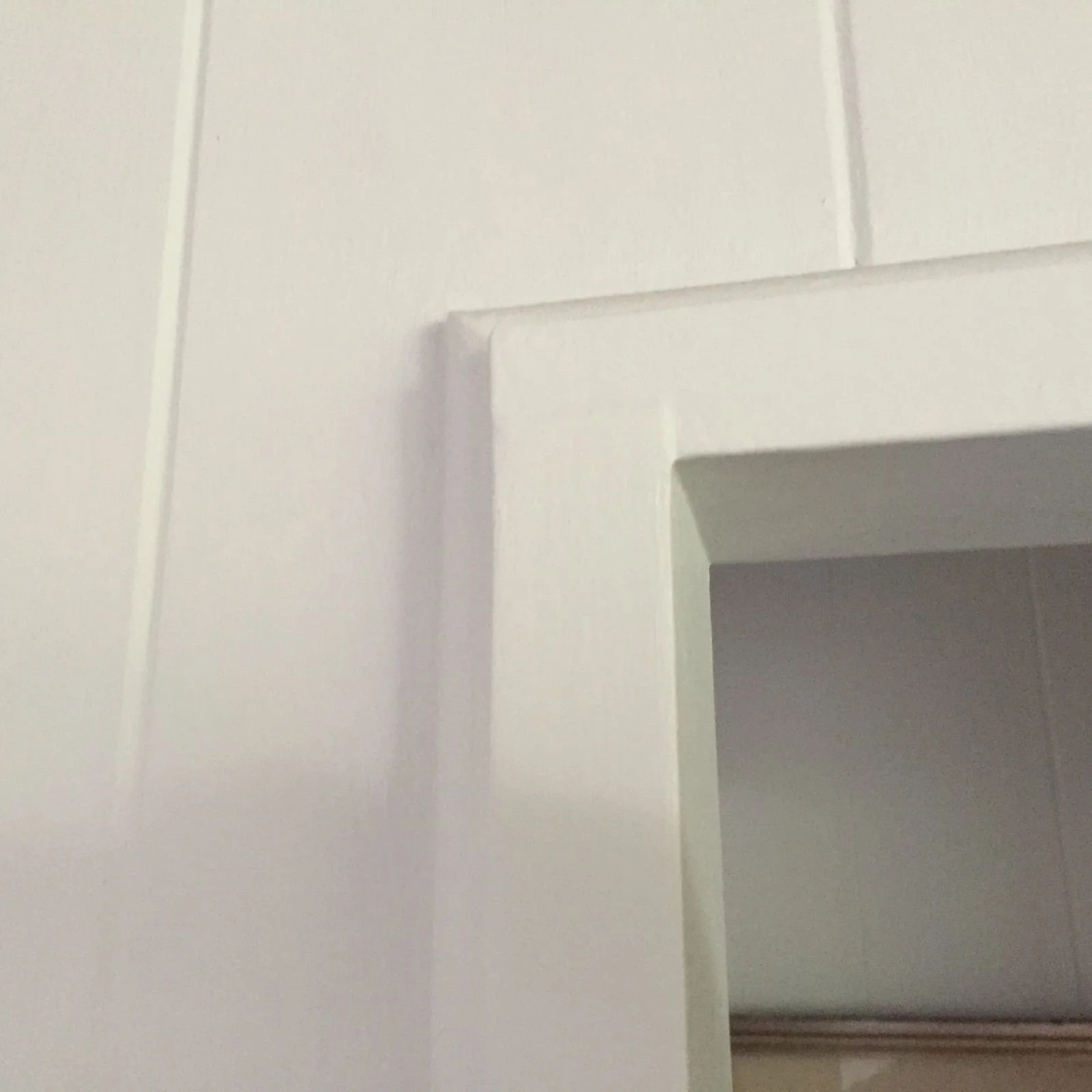
But here’s the straightforward truth: in a single-wall home, your wall is doing double duty. That 1-inch thick redwood plank is both the structural bones of the house and the finished skin you see from the couch. There’s no wall cavity, no studs, and no insulation. While it’s great for airflow, it presents some unique challenges for modern living and it makes Mainlanders scratch their heads. lol
Wires and Pipes
The biggest headache for single-wall owners comes during a remodel. In a double-wall construction home, you just hide the guts (electrical and plumbing) inside the wall cavity. In a T&G home, there is no where to hide.
Electrical Work-Around: Since we can’t fish wires through non-existent studs, we have to get creative. We often use sleek, paintable surface-mount conduit.
Plumbing Path: Most plumbing has to run through the floor and come up directly where it’s needed. If you’re moving a sink, you’re usually looking at a floor-up approach rather than a wall-through approach.
Insurance Challenge
The Insurance Reality: Heads up—some insurance companies are becoming hesitant to insure older single-wall homes, or they’re hiking premiums. They worry about wind-load stability and hurricane straps.
Termite Pressure: In a single-wall home, there’s no drywall to hide the redwood, which is good for spotting termites, but they could also be literally eating your support beam.
The Moisture Trap: Because the wood is exposed on both sides, it reacts quickly to the humidity. If your exterior paint fails, moisture soaks into the plank and can show up as mildew.
Other Challenges
Single wall doesn’t keep heat out. There’s no place to put insulation.
When you hang pictures or anything on the wall, you have to make sure the nail or screw doesn’t come out on the other side of the wall. It’s pretty thin.
Some people love the raw redwood look. Some people want a more modern look with flat, smooth walls. It’s really a matter of preference.
FIXIT Advice: To Keep or To Cover?
Overlay (Double-Walling): You can furr out the interior by adding thin studs and drywall over the T&G. This gives you a modern look and a place to hide wires.
Stabilize & Seal: If you love the charm, we recommend a surgical approach. Replace damaged boards, upgrade to stainless steel fasteners, and use high-quality sealants at the transitions.
The Bottom Line: Single-wall homes are a classic part of Oahu’s history, but they do present challenges and require a homeowner who keeps a close eye on paint and termites. And there are ways we can turn your single wall home into double wall. Let us FIXIT!
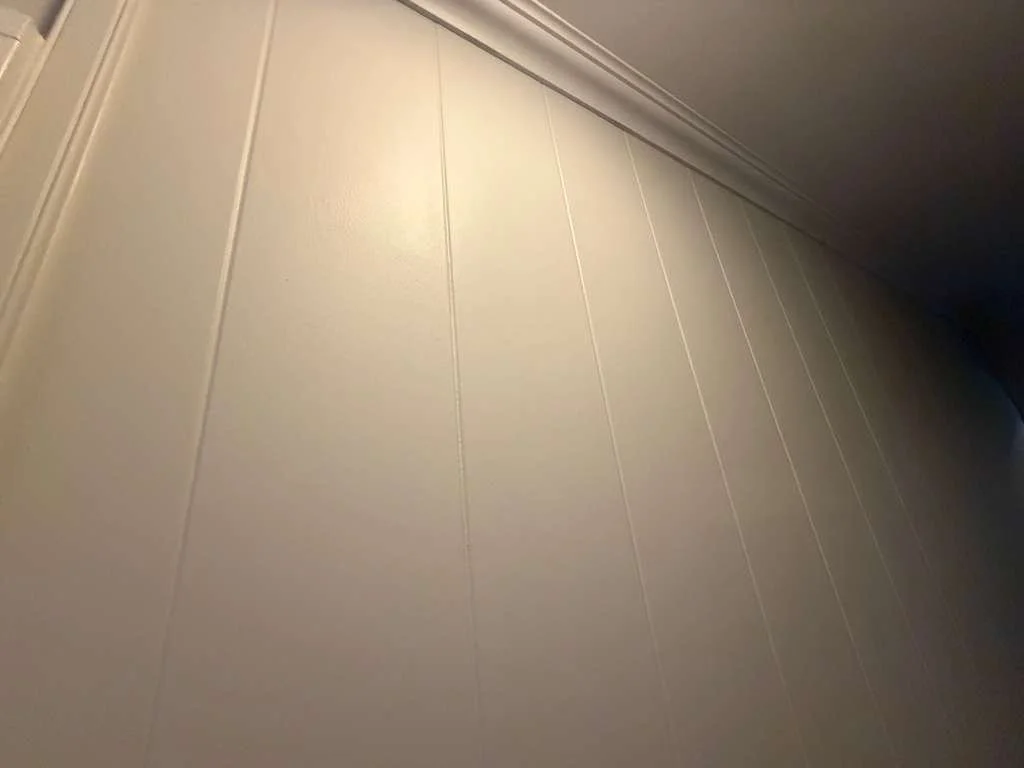
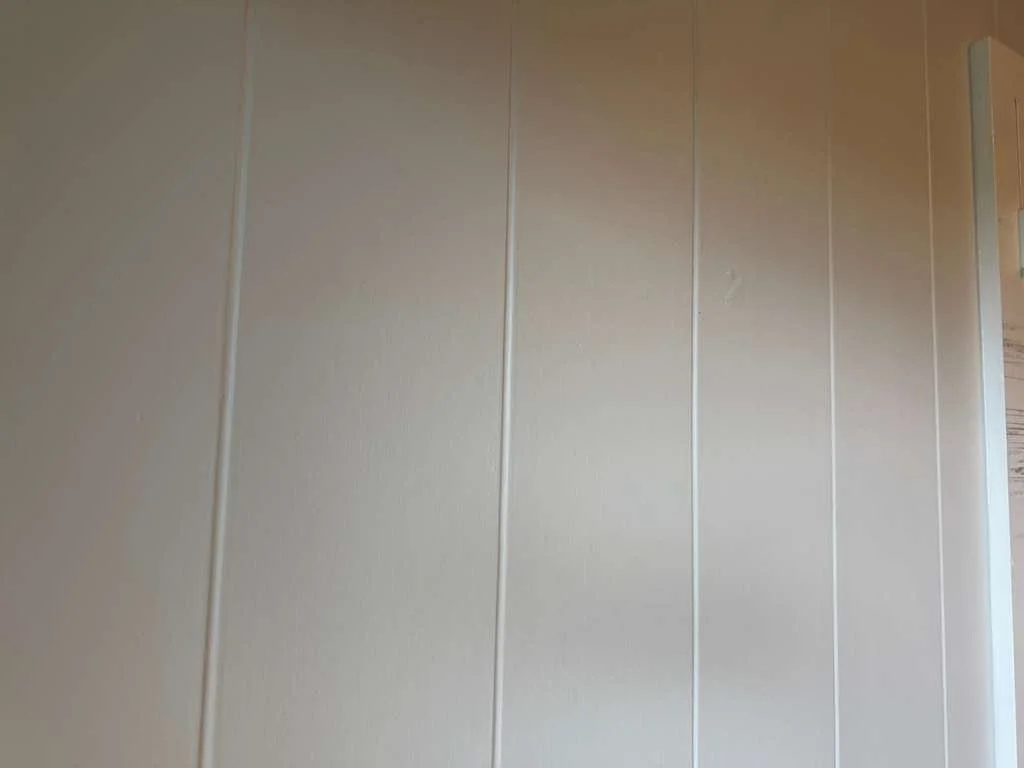
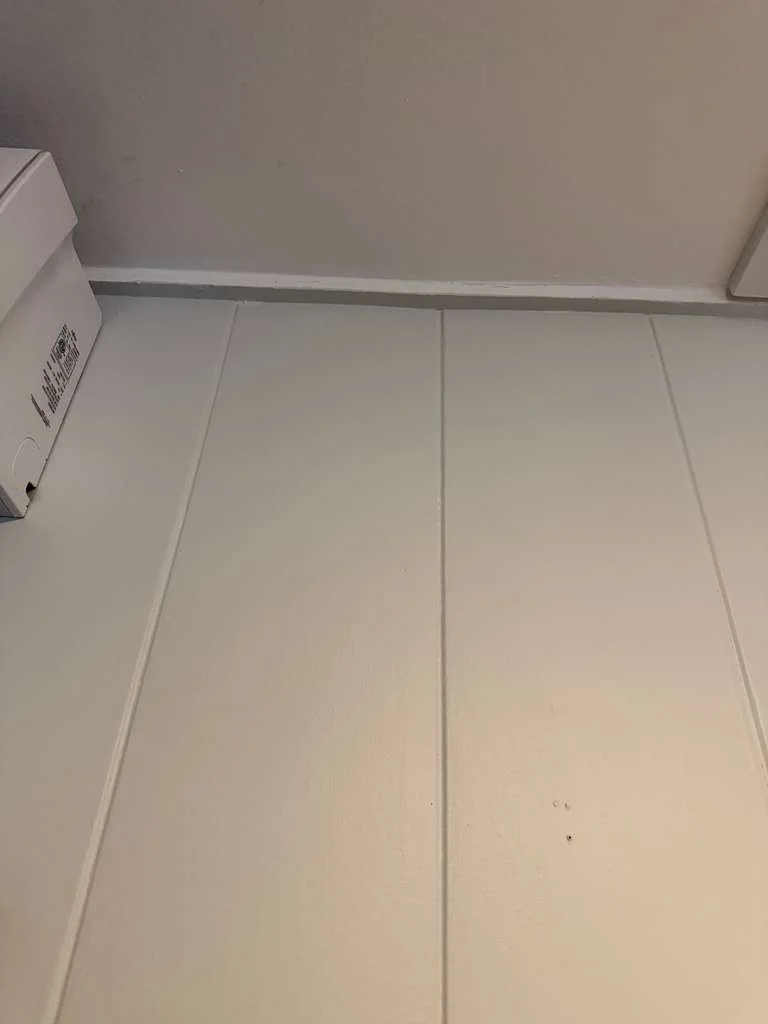
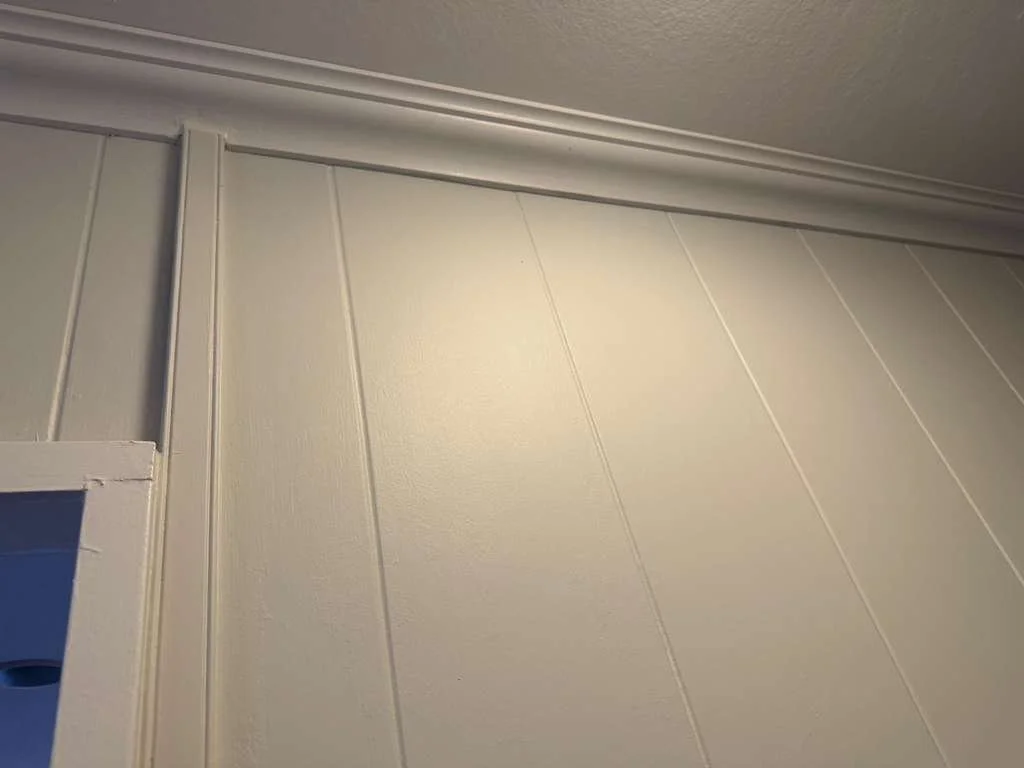
» Quick Summary: Single-wall construction is an iconic Hawaii plantation architectural style featuring a single layer of vertical tongue-and-groove tongue planking without interior stud framing or cavity insulation. While highly efficient for airflow, single-wall homes require targeted maintenance for exposed wiring channels, exterior paint sealing, moisture protection, and wall-mounted fixture security.
💡 Quick Reference: Single-Wall Home Care
What It Is
A traditional island building technique where 3/4-inch tongue-and-groove vertical boards serve as both structural wall, exterior siding, and interior surface.
Key Structural Realities
No hollow wall cavities for plumbing or electrical conduit, leading to surface-mounted wire raceways and exposed utility lines.
Common Repair Challenges
Termite damage along lower wall bases, water intrusion between unsealed tongue-and-groove joints, and limited weight support for heavy wall-mounted fixtures.
Best Maintenance Practices
Keep exterior paint and caulk lines sealed against trade wind rain, inspect baseboards for moisture, and use specialized blocking or framing studs for heavy TV mounts and cabinetry.
Need Help Mounting Fixtures or Repairing Walls in a Single-Wall Home?
Work with someone who knows Hawaii construction. FIXIT Oahu specializes in TV mounting, shelf installation, wall patching, and general handyman repairs tailored for classic single-wall homes.
📞 Call or Text: 808-721-4647
📧 Email: service@fixitoahu.com
📍 Service Area: Honolulu, Windward, and Leeward Oahu
Q: How do you mount heavy items like TVs on a single-wall house?
A: Without stud cavities, heavy items must be anchored into horizontal top/bottom plates, vertical corner posts, or reinforced with decorative wood mounting boards.
Q: Why do single-wall homes leak during trade-wind rainstorms?
A: Wind-driven rain forces water through gaps in aging vertical tongue-and-groove joints if exterior caulk lines and paint coatings have failed.
Q: Can you run electrical wiring inside single-wall house walls?
A: No, single-wall construction has no interior cavities. All electrical lines and light switch wiring must run through surface-mounted raceways or conduit.
Q: How do I stop termites from damaging single-wall planking?
A: Keep exterior ground lines clear of baseboards, seal raw wood edges with exterior paint, and schedule routine subterranean termite inspections.