Popcorn Ceilings: the Cottage Cheese Dilemma
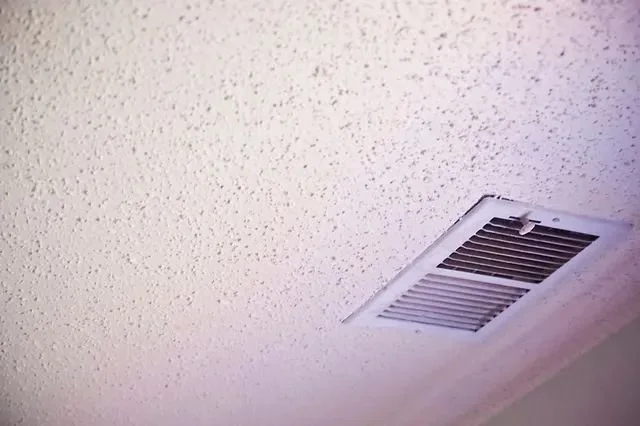
If you’ve looked up in an older Oahu condo, townhome, or single-family home built between the 1960s and the late 1970s, you’ve probably seen it: that bumpy, cottage cheese texture known as a popcorn ceiling. At the time, builders loved it. It was a miracle spray that dampened sound between floors and provided fire resistance. It’s still used today in fact.
The Identification: Texture and Age
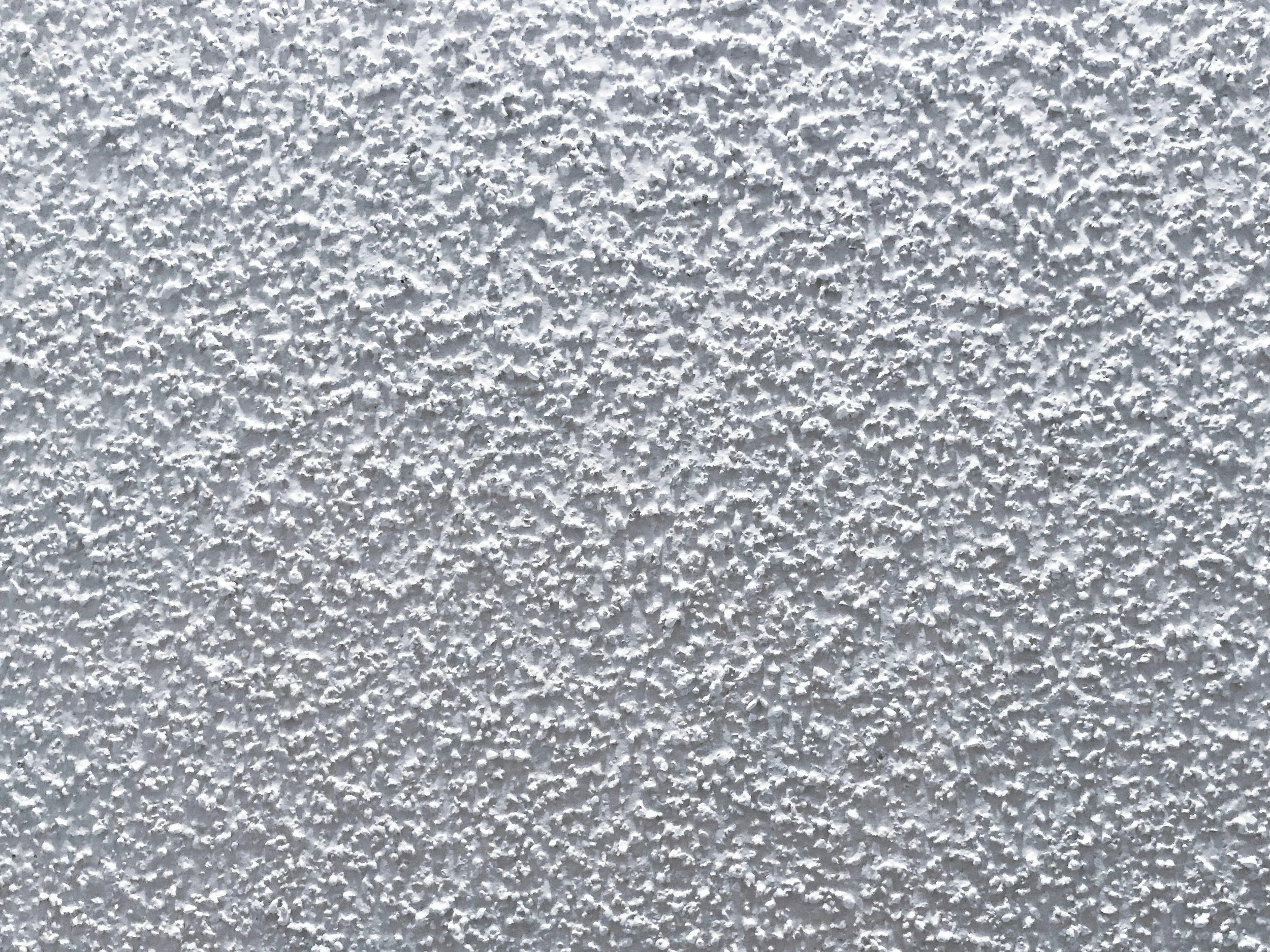
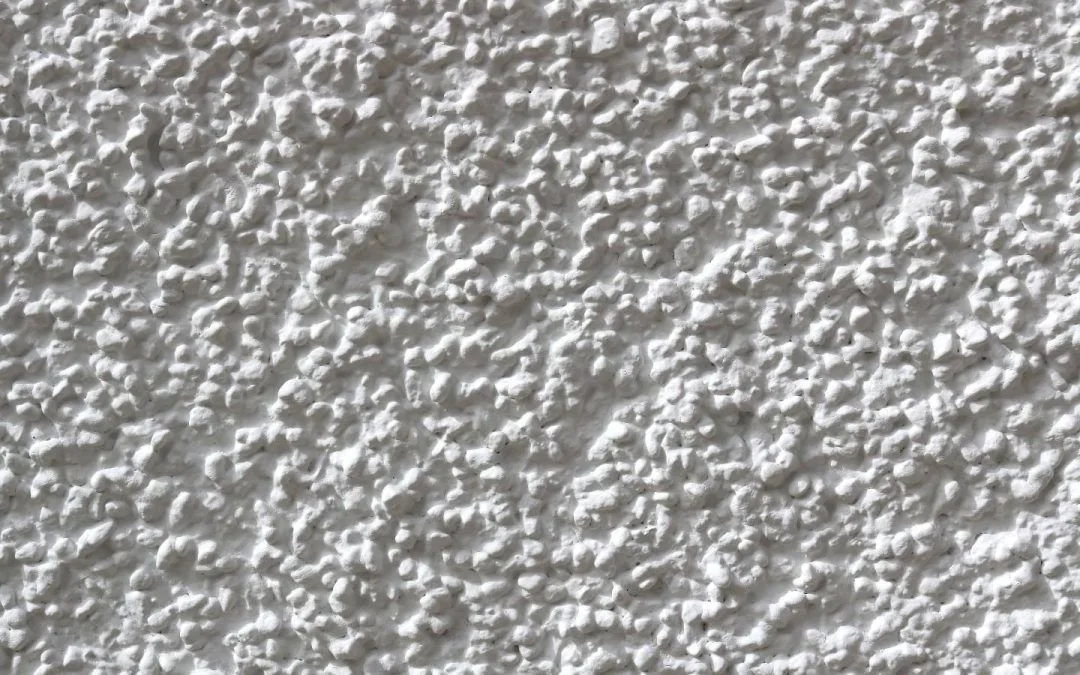
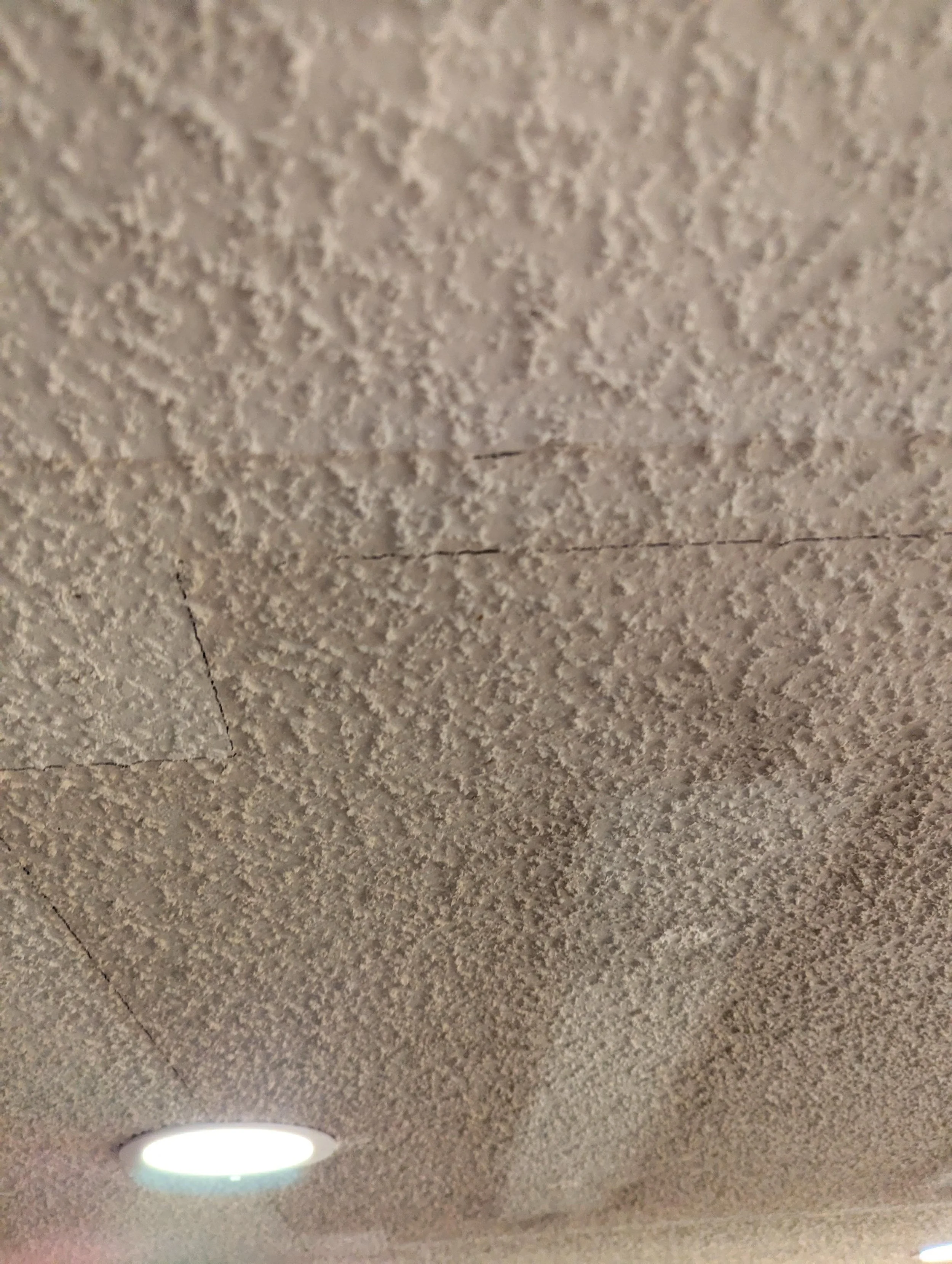
Popcorn ceilings are easy to spot by their rough, raised surface. In Hawaii, they usually face three main enemies:
Humidity: Our 80% humidity can soften the texture over time, causing it to lose its bond and start snowing on your furniture.
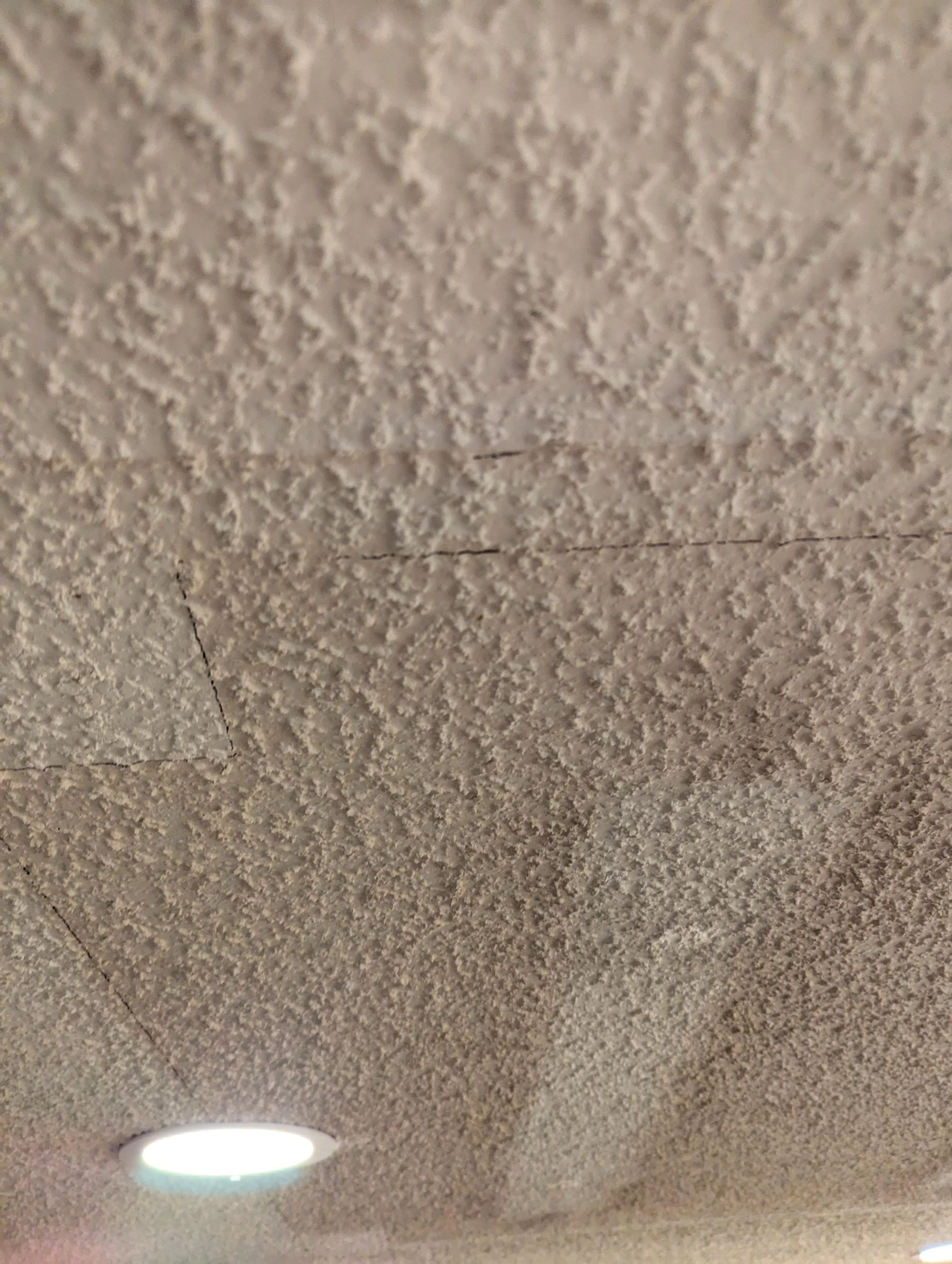
Leaks: Wind-driven rain can sometimes find a way through old roofing or flashing. Because popcorn texture is incredibly porous, it acts like a sponge, turning a tiny drip into a big brown ring.
Asbestos: Because these were popular during the asbestos era, many popcorn ceilings in Hawaii contain asbestos fibers. If your popcorn texture was done after the 1978, you do not have to worry about asbestos in the ceiling.
For homes built prior to 1978, here is where we need to be real: unlike floor tiles where the asbestos is locked in vinyl, the fibers in a popcorn ceiling are often friable. This means they can be crumbled by hand pressure. If you bump the ceiling while moving a tall bookshelf, or if you decide to DIY-scrape a small section to see how it looks, you could be releasing invisible fibers into your living room air.
The FIXIT Way
If you’re tired of the cottage cheese look, call us. We can 1) scrape it and skim-coat over the ceiling to create a modern, flat look, or 2) encapsulate it by installing a thin 1/4-inch drywall over the popcorn, screwing it into the joists and sealing the old texture behind a brand-new, smooth surface.
Common Signs of Trouble
Yellow/Brown Rings: This is a call us sign. It means moisture is active. If the spot stays soft or grows after a storm, you've got an active leak from plumbing, the roof, siding, flashing, or windows.
Rust Dots: Small orange spots appearing in the texture are often the heads of the nails or screws rusting.
Flaking: If it’s shedding without being touched, the humidity has finally won the battle against the adhesive.
What You Can Do Safely
Run the Fans: In bathrooms, run the exhaust fan for 20 minutes after a shower. Steam is the #1 reason bathroom popcorn ceilings fail.
Document the Drip: If you see a stain, circle it lightly with a pencil. If the stain moves past the line after the next rain, the leak is active.
Hands Off: If the ceiling is old, don't vacuum it or brush it to remove cobwebs. You don't want to disturb the fibers.
The Bottom Line: Popcorn ceilings aren't a problem until they start to fail or you decide to change the look. If yours is staining or shedding, it’s time to address the moisture source and decide on a path to seal it up for good.
» Quick Summary: Popcorn ceilings are acoustic spray-on ceiling finishes widely applied in Hawaii homes built prior to the 1990s. Because older popcorn textures can contain asbestos fibers and easily trap dust and humidity, knowing how to safely test, repair, encapsulate, or remove popcorn ceilings keeps your indoor air clean and your home updated.
💡 Quick Reference: Popcorn Ceiling Basics
What It Is
A textured acoustic spray finish composed of joint compound and foam or mineral fibers, originally designed to dampen sound and hide ceiling imperfections.
Where It Is Found
Single-family homes, townhomes, and condominium units built across Oahu between 1960 and 1980.
Key Asbestos Caution
Popcorn ceilings applied before 1979 may contain asbestos. Never sand, scrape, or dry-disturb un-tested acoustic texture without professional testing first.
Best Maintenance Approaches
If intact and asbestos-free, popcorn ceilings can be painted, skim-coated smooth, or scraped clean using wet-suppression techniques to modernize your living space.
Need Help Refreshing Your Ceilings or Walls?
Modernize your home with a clean, updated finish. FIXIT Oahu assists local homeowners and property managers with drywall repairs, ceiling touch-ups, interior painting, and general punch-list maintenance.
📞 Call or Text: 808-721-4647
📧 Email: service@fixitoahu.com
📍 Service Area: Honolulu, Windward, and Leeward Oahu
Q: How do I know if my popcorn ceiling contains asbestos?
A: Popcorn ceilings installed before 1979 often contain asbestos. The only way to verify is by having a lab test a small, wet-sampled piece of the texture.
Q: Can you install new drywall directly over a popcorn ceiling?
A: Yes, installing 1/4-inch or 3/8-inch drywall over an existing popcorn ceiling encapsulates the texture safely and creates a smooth, modern surface.
Q: Why is my popcorn ceiling peeling near the bathroom or kitchen?
A: High indoor humidity dissolves the water-soluble binder in acoustic spray texture, causing it to sag, discolor, or flake off in damp rooms.
Q: Is it safe to paint over a popcorn ceiling?
A: Yes, painting binds loose fibers and seals the surface. HOWEVER, please note that it will make the popcorn texture much harder to remove if you want to remove it later.