Drywall Texture Matching Guide for Honolulu & Metro Oahu Homes
Drywall texture matching in Honolulu and Metro Oahu homes requires identifying whether the original finish is knockdown, orange peel, smooth skim coat, or heavy trowel plaster. Because Oahu’s coastal light highlights wall imperfections, executing clean dust containment, proper compound consistency, and accurate spray technique is essential to ensure drywall patches blend seamlessly into existing island walls without leaving visible seams or "flashing."
Understanding Wall Finishes Across Oahu Neighborhoods
When repairing damaged drywall in Metro Honolulu—whether from a door handle impact, old plumbing access, or settling cracks—the hardest part of the job isn't patching the hole; it's matching the texture. Oahu homes built in different eras feature vastly different interior wall finishes.
Understanding the age and architecture of your neighborhood gives you a major advantage when prepping for a seamless repair:
Mid-Century & Vintage Homes (Manoa, Kaimuki, Nuuanu): Older residences in classic Honolulu neighborhoods often feature hand-applied plaster or smooth-skimmed drywall coats. Smooth finishes leave zero room for error, as ambient sunlight streaming through jalousies or sliding glass doors casts long shadows that exaggerate uneven patches.
1970s–1990s Builds (Hawaii Kai, Salt Lake, Moanalua): Homes from this era heavily feature "orange peel" and traditional "popcorn" ceilings. Orange peel consists of subtle, rounded droplets sprayed across the wall using a pneumatic hopper, creating a gentle dimpled effect that diffuses light.
Modern Renovations & Condominiums (Kakaako, Makiki): Contemporary remodels and high-rise condo units throughout Honolulu frequently utilize heavy "knockdown" finishes or returned smooth coats. Knockdown texture is created by spraying joint compound and lightly flattening the peaks with a wide drywall knife, producing a flat, Spanish-lace effect.
Why Patching Drywall on Oahu Presents Unique Challenges
Repairing walls in Hawaii requires adjusting standard drywall techniques for island climate conditions:
1. High Humidity & Joint Compound Drying Times
In humid Metro Oahu micro-climates, standard ready-mix joint compound (bucket mud) can take double the time to dry compared to mainland environments. Applying texture over damp compound causes shrinkage, bubbling, and cracking. Professional technicians often utilize chemical-setting compound (like "hot mud") for base layers, which hardens via chemical reaction rather than evaporation, guaranteeing a solid base before applying the decorative top texture.
2. Preventing "Flashing" Under Island Sunlight
"Flashing" occurs when light reflects differently off the repaired area than the rest of the wall, making a patch look shiny or dull despite being painted over. This happens when the sheen, porosity, or texture density between the new drywall patch and the decades-old surrounding wall don't match. Applying a high-build PVA sealer/primer across the entire repaired section before top-coating is vital to equalize absorption.
Step-by-Step Texture Matching Process
Executing an invisible drywall repair involves five meticulous steps:
Beveling and Taping the Edges: Cut out the damaged sheetrock and bevel the surrounding edges at a 45-degree angle. Apply fiberglass mesh tape or paper tape with setting compound to lock the joint in place without creating a raised hump.
Skimming Smooth: Feather the joint compound out 8 to 12 inches beyond the patch boundaries. The goal is to make the joint transition so gradual that the human eye cannot detect the height difference.
Calibrating Texture Consistency: Mix the joint compound to the exact consistency required for the texture style. Orange peel requires a thin, heavy-cream consistency, while knockdown requires a thicker, pancake-batter consistency.
Test-Spraying on Scrap Board: Never spray texture directly onto the final wall first. Always run a test spray on a piece of scrap cardboard or drywall to adjust nozzle pressure and fan width until it matches the wall's existing droplet size.
Sealing and Top-Coating: Once the texture is dry, apply a dedicated drywall primer. Coat the entire wall or run a feathered paint blend to ensure uniform color and sheen.
Frequently Asked Questions
Why does my drywall patch still show after painting?
A drywall patch remains visible if the surrounding joint compound wasn't feathered out far enough, or if the wall texture density wasn't matched prior to painting. Additionally, failing to prime the patch before painting causes the new compound to absorb paint differently, resulting in a dull spot known as "flashing."
Can I match orange peel texture using an aerosol spray can?
Aerosol texture cans can work for small, dollar-coin-sized spot repairs, but they are difficult to control over larger areas. The pressure drops as the can cools, leading to inconsistent splatter sizes. Professional-grade hopper guns connected to air compressors yield vastly superior, adjustable results for medium-to-large patches.
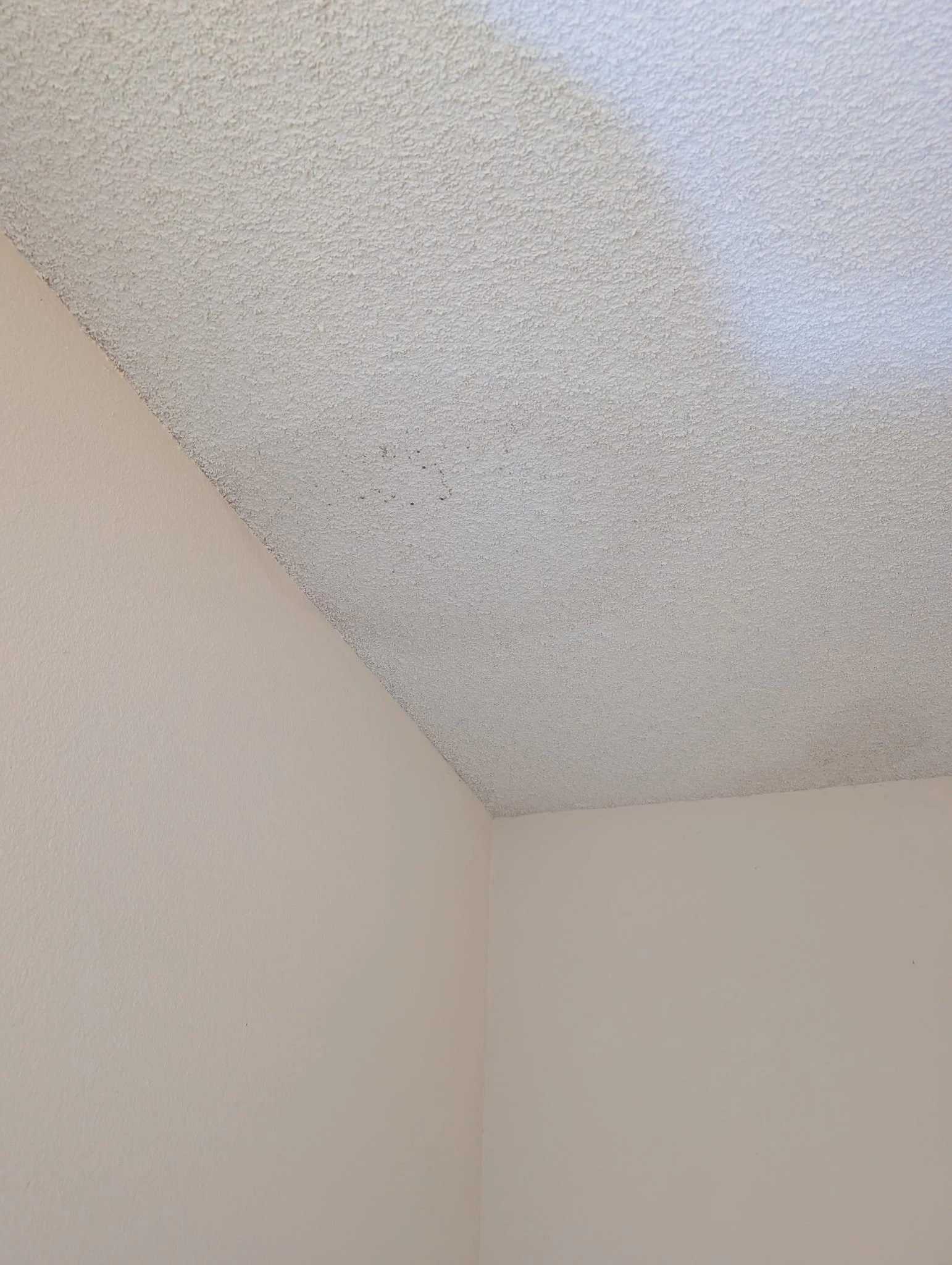
Before pic of two drywall textures - can you guess which textures we had to match here?
💡 Quick Reference: Oahu Wall Textures
Smooth / Skim Coat
Found In: Older Manoa/Kaimuki homes & high-end modern remodels. Difficulty: High.
Key Technique: Requires multiple thin coats of lightweight compound and hand sanding under cross-lighting.
Orange Peel
Found In: Hawaii Kai, Salt Lake, suburban single-family homes. Difficulty: Medium. Key Technique: Low-viscosity compound sprayed at high pressure with a fine nozzle setting.
Knockdown
Found In: Townhomes, condos, and 1980s+ renovations. Difficulty: Medium-High. Key Technique: Sprayed in larger droplets, allowed to set for 1–3 minutes, then gently flattened with a flexible knife.
Need Help Matching Your Walls?
Don't let an unsightly patch ruin your interior paint job. FIXIT Oahu specializes in seamless drywall repairs, texture matching, and painting across Honolulu.
📞 Call/Text: (808) 721-4647
📧 Email:service@fixitoahu.com
📍 Service Area: Honolulu, Windward, and Leeward Oahu
Q: Can I match orange peel texture using an aerosol spray can?
A: Spray cans work for tiny spot repairs, but pressure drops quickly as the can cools, causing inconsistent splatter. A professional hopper gun connected to an air compressor delivers much cleaner results.
Q: Do I need to repaint the whole wall after patching drywall?
A: Repainting corner-to-corner on the repaired wall is always best. Spot-painting often leaves a visible sheen difference between old and new paint.