Red Dirt vs Blue Rock
If you’ve ever tried to dig a post hole in Hawaii, you know that not all dirt is created equal. Depending on which side of the ridge you live on, you’re either dealing with red dirt that stains your clothes or blue rock that breaks the jackhammer.
Understanding what’s beneath your home is key to preventing foundation cracks and managing your yard. Here’s the breakdown of Oahu’s two most famous geological personalities.
1. Red Dirt (Oxisol / Clay)
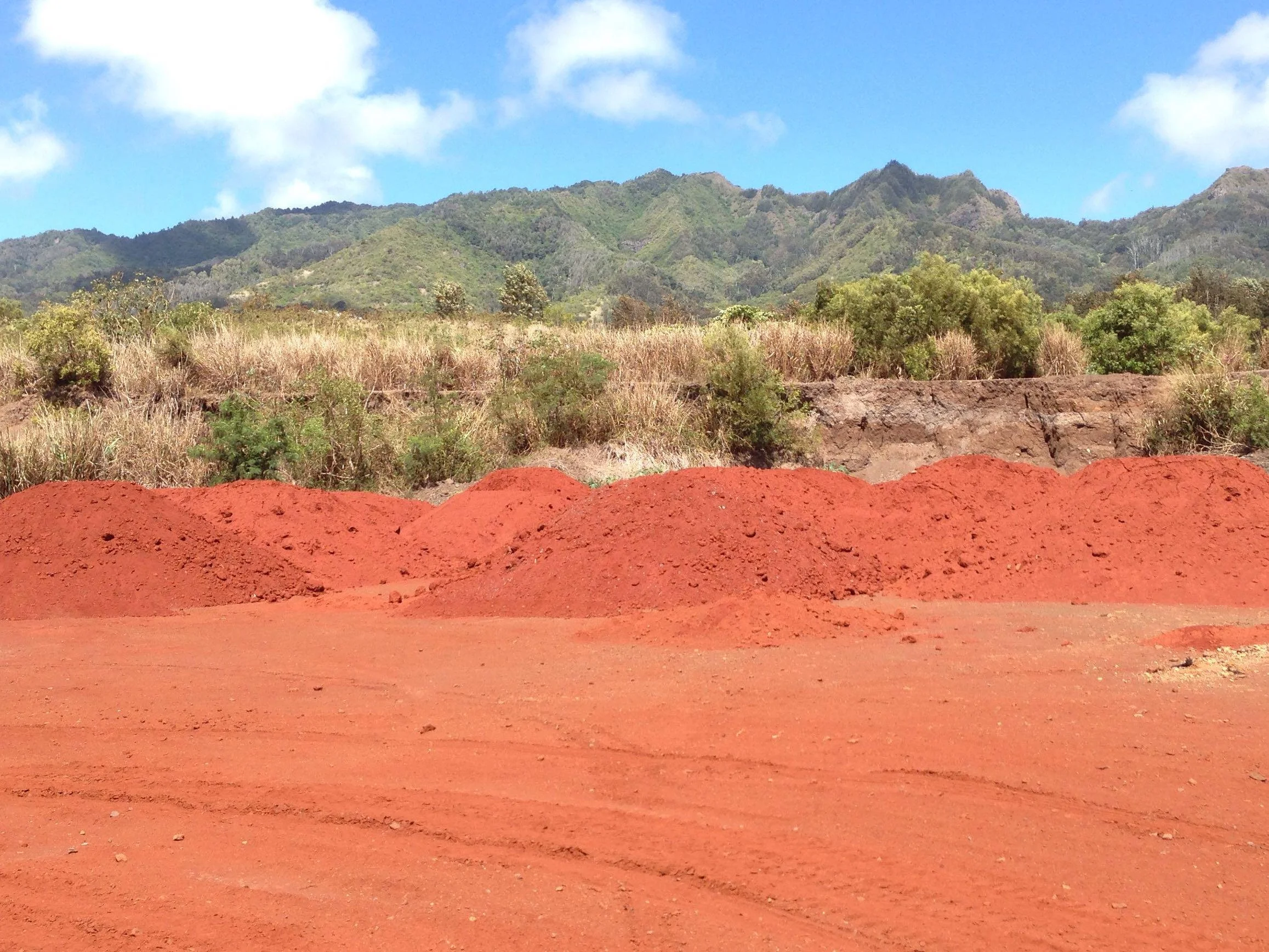
This is the iconic, rusty soil found across central and west Oahu. It’s actually highly weathered volcanic ash and basalt that has rusted over millions of years.
Neighborhoods: Wahiawa, Mililani, Kunia, and parts of the Ewa Plain and Kapolei.
The Pros: It’s incredibly fertile (hence the old pineapple and sugar fields). If you want a lush garden, red dirt is your best friend. It also drains relatively well compared to heavy mainland clays.
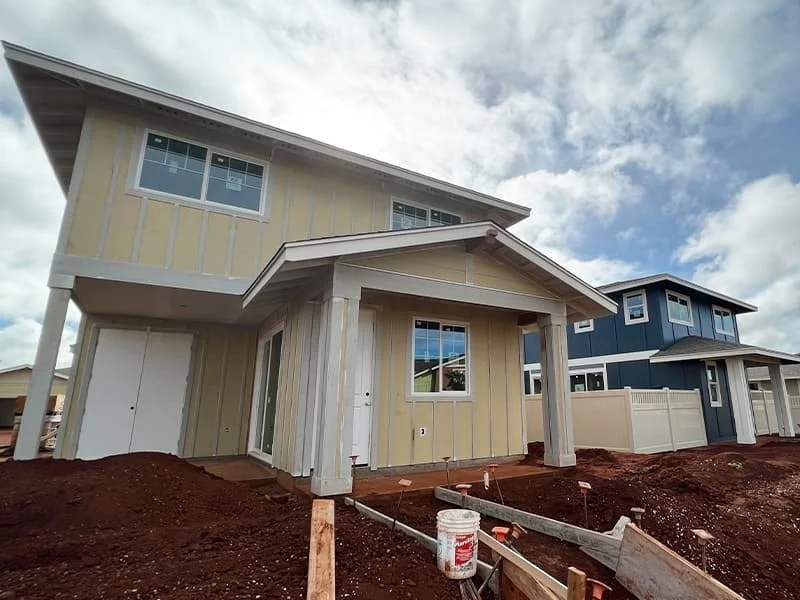
The Cons (The Expansive Problem): Red dirt is rich in clay. This means it’s expansive—it swells when it’s wet and shrinks when it’s dry. This constant tug-of-war puts immense pressure on your foundation.
Maintenance Tip: Consistency is key. Use a smart irrigation system to keep the soil moisture levels steady around your foundation. If the dirt pulls away from your house during a dry spell, it's a sign that your foundation is losing support.
2. Blue Rock (Basalt)
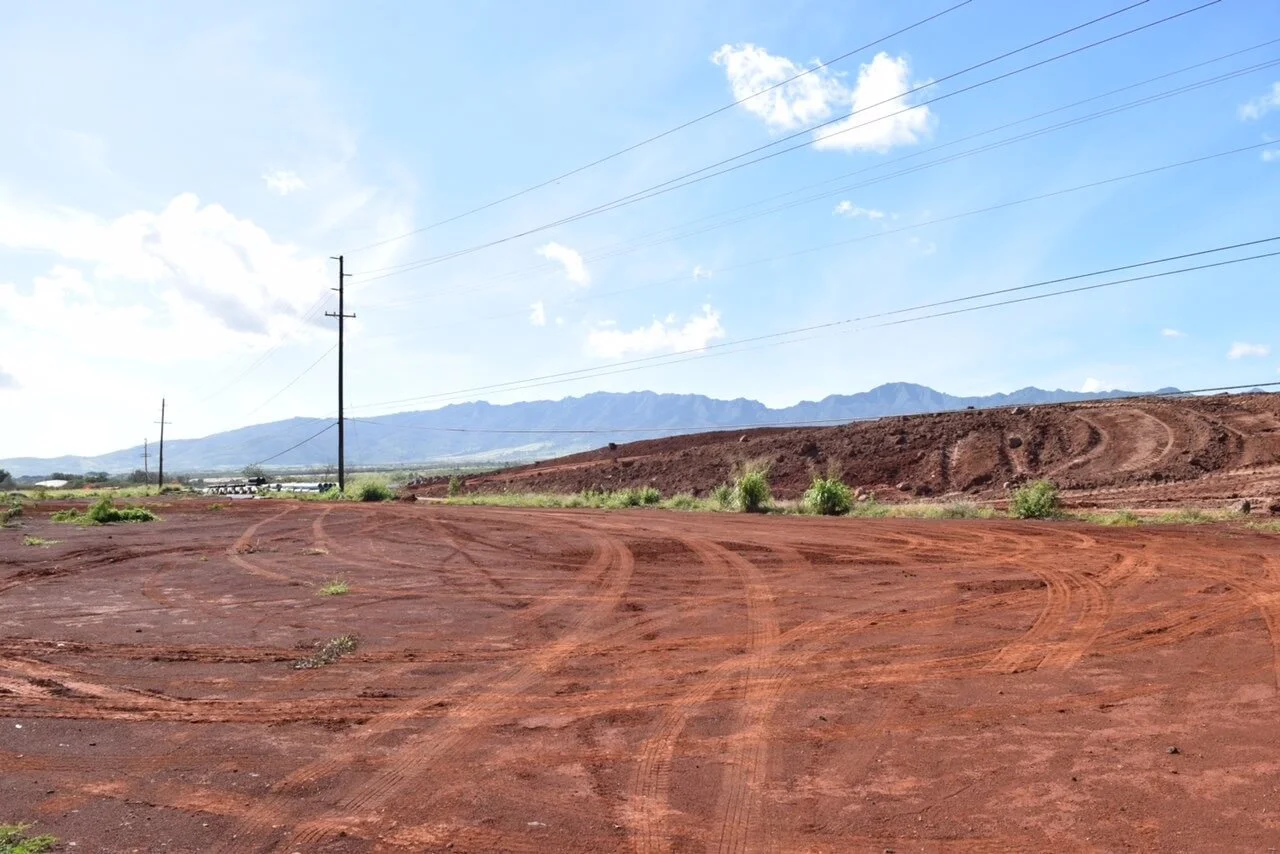
Blue rock is the local term for dense, unweathered basalt. It’s the cooled heart of the lava flow and is famously hard—often requiring heavy machinery or blasting to move.
Neighborhoods: You’ll find this on the ridges and older volcanic sites: Makakilo, St. Louis Heights, Kaimuki, Hawaii Loa Ridge, and portions of the Big Island.
The Pros: It is arguably the most stable foundation you can have. If your home is pinned to blue rock, it isn’t going anywhere. You don’t have to worry about the settling issues that plague clay-heavy areas.
The Cons: It’s a nightmare for renovations. Want to add a new bathroom or a pool? If you hit blue rock, your excavation costs will triple overnight. It’s also tough on landscaping—you’ll likely need raised beds because you can’t dig deep enough to plant a tree.
Maintenance Tip: Watch your drainage. Because blue rock is non-porous, water won't soak in; it will sheet off. Ensure your yard is graded so that heavy rain doesn't turn your driveway into a river.
Other Soil Types
Coral/Sand (beach communities): Common in Lanikai, Ewa Beach, and North Shore. Pros: Excellent drainage. Cons: Highly corrosive salt air and the risk of "liquefaction" during an earthquake.
Alluvial Fill (valleys): Found in Manoa and Palolo. This is wash-off from the mountains. It’s a mix of everything—rocks, dirt, and organic matter. The Risk: It’s prone to slope creep where the backyard slowly tries to visit the neighbor’s yard down the hill.
The Bottom Line: Whether you’re on the moving red dirt or the stubborn blue rock, your foundation needs a different strategy.
Quick Summary: Hawaii red dirt is highly weathered, iron-rich volcanic soil that expands and contracts with moisture changes, while blue rock is dense, unweathered basalt ideal for solid foundations. Understanding how red dirt shifts during wet weather and stains outdoor surfaces helps homeowners manage drainage, foundation stability, and exterior maintenance across Oahu.
💡 Quick Reference: Red Dirt vs. Blue Rock
Red Dirt Characteristics
Clay-rich, iron-heavy soil common in Central and Windward Oahu that holds water, expands when wet, and leaves stubborn stains on concrete and shoes.
Blue Rock Characteristics
Hard, dense volcanic basalt found deep underground or in ridge areas, offering maximum load-bearing support for footings and post foundations.
Home Maintenance Impacts
Expansive red dirt can cause post settling, unlevel walkways, and soil buildup against wooden walls, which invites subterranean termites.
Best Care Practices
Direct gutter runoff away from foundation walls, seal exterior concrete pathways against red dirt staining, and keep wood framing elevated off the dirt line.
Need Help with Exterior Repairs or Property Maintenance?
Protect your home from the elements. FIXIT Oahu assists local homeowners and property managers with exterior repairs, fence maintenance, trim painting, and general punch-list projects.
📞 Call or Text: 808-721-4647
📧 Email: service@fixitoahu.com
📍 Service Area: Honolulu, Windward, and Leeward Oahu
Q: Why does Hawaii red dirt cause concrete paths to crack?
A: Red dirt is an expansive clay soil that expands when saturated during wet weather and shrinks when dry, causing soil movement beneath concrete slabs.
Q: How do you get red dirt stains out of concrete and lanais?
A: Iron-rich red dirt penetrates porous concrete. Cleaning requires a dedicated iron/rust stain remover or a pressure washer paired with a concrete sealer.
Q: Why is blue rock better for building footings?
A: Blue rock is dense, unweathered volcanic basalt with high compressive strength, providing a solid, immovable base for foundation posts and footings.
Q: How can I protect my home's wooden posts from red dirt moisture?
A: Keep wooden framing elevated on concrete piers at least 6 inches above the dirt line and slope surrounding soil away from the home for drainage.