Tofu Blocks
Why Your Post-and-Pier Home is a Hidden Gem
If you live in a classic Hawaii home, you’ve probably peeked under the house and seen them: the humble tofu blocks. Known as post-and-pier construction, these concrete blocks have been the foundation of choice for island homes for over a century.
While modern developers love a concrete slab-on-grade, there is a reason so many of our historic homes are still standing strong on their tofu blocks. If you know how to maintain them, a post-and-pier foundation is actually one of the most practical and forgiving ways to build on Hawaii’s volatile terrain.
The Secret Advantage: Flexibility vs. Rigidity
Why is post-and-pier often better than a slab for Hawaii?
The Settling Solution: Red dirt is expansive—it swells when it rains and shrinks when it’s dry. When a concrete slab settles or the ground shifts, the slab cracks, and you’re looking at a massive, expensive repair. With tofu blocks, if the house shifts, we can simply jack up the specific area and shim the post. It’s a surgical fix instead of a structural nightmare.
The Airflow Factor: Elevating the house allows our trade winds to flow under the home. This naturally cools the floor and prevents the moisture buildup that leads to mold and wood rot.
Easier Upgrades: Need to move a bathroom or rewire the kitchen? In a slab home, you’re breaking out the jackhammer. In a post-and-pier home, we just crawl underneath.
Things to Look Out For
Metal barrier: In a perfect world, there should be a metal termite shield between the concrete block and the wooden post.
Leaning Piers: Over decades, a block can sink or tilt (differential settlement). If the pier isn't level, the weight of your house isn't being distributed correctly. This is usually why your kitchen door suddenly won't latch or a closet door won’t slide.
Spalling Concrete: The rebar inside older concrete blocks can rust and expand, causing the tofu block to crumble.
FIXIT Checkup
At FIXIT, we don't just look at the blocks; we look at the whole under-story of your home.
Leveling & Shimming: If your house has the plantation lean, we use specialized jacks to gently lift the beams and install rot-resistant shims to get everything back to level.
Clearing the Highway: We ensure there is a clear air gap between the soil and your wood. We’ll remove old debris, trim back vegetation, and check the integrity of your termite shields.
Post Replacement: If a post has been compromised by termites or dry rot, we can replace individual posts without disturbing the rest of the house.
Moisture Control: We check for water under the house. If your gutters or AC condensates are dumping water right next to a pier, that block is going to sink. We redirect the water to keep the tofu blocks on solid ground.
The Bottom Line: Don't be intimidated by the crawlspace. Those tofu blocks are a smart, adaptable system designed for island life. With a little routine maintenance to keep the wood dry and the piers level, a post-and-pier home can easily outlast a modern slab.
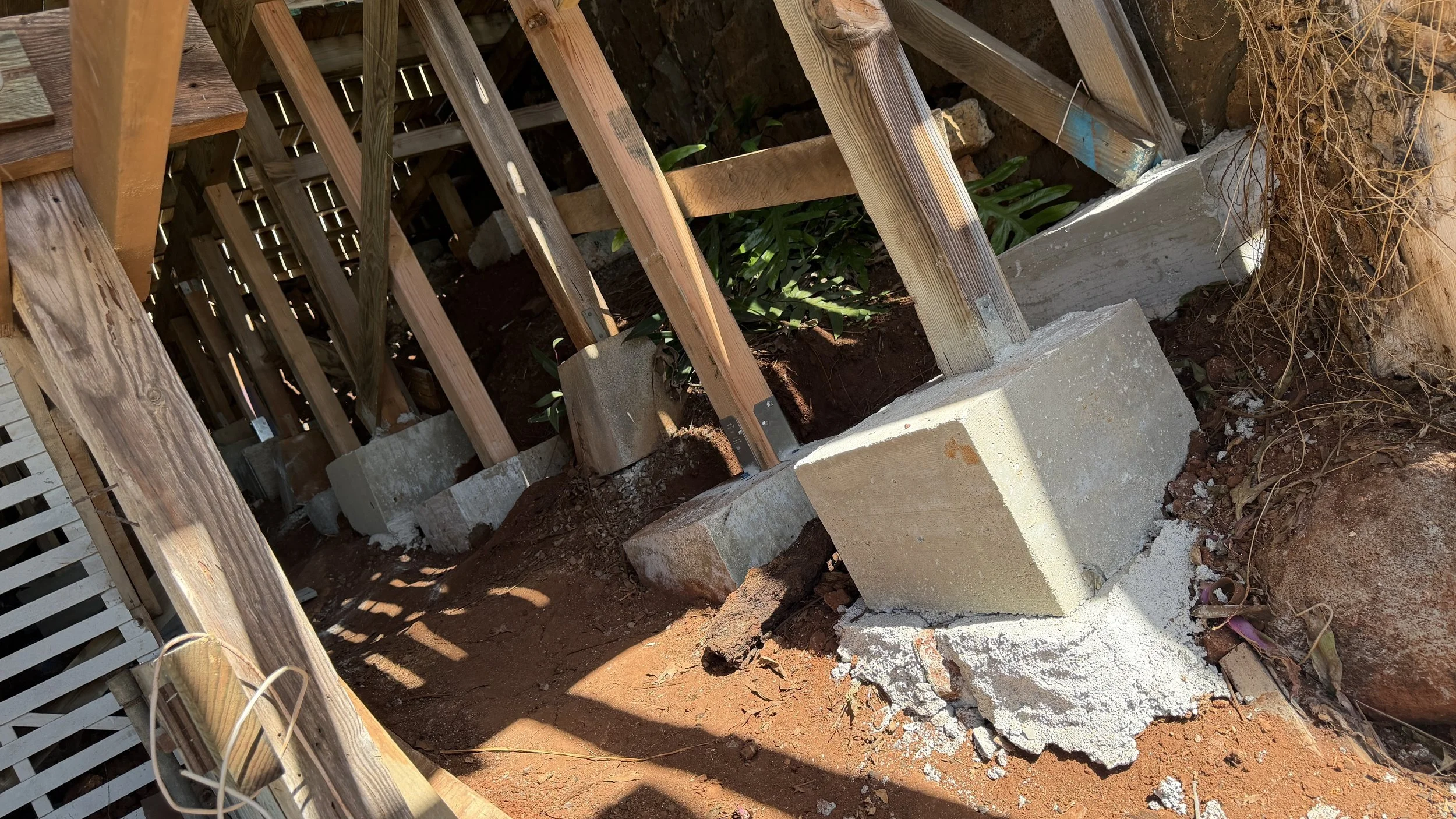
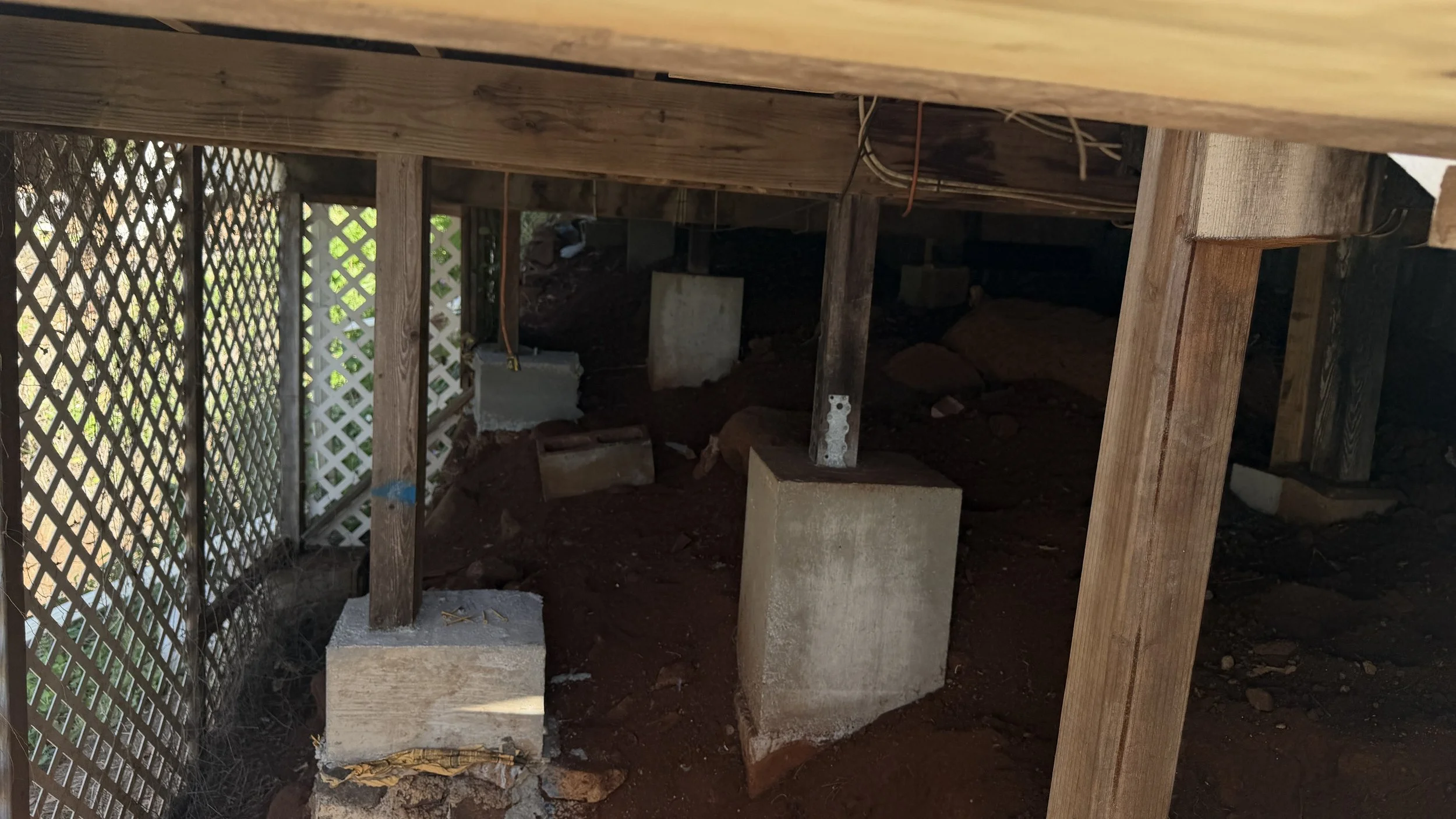
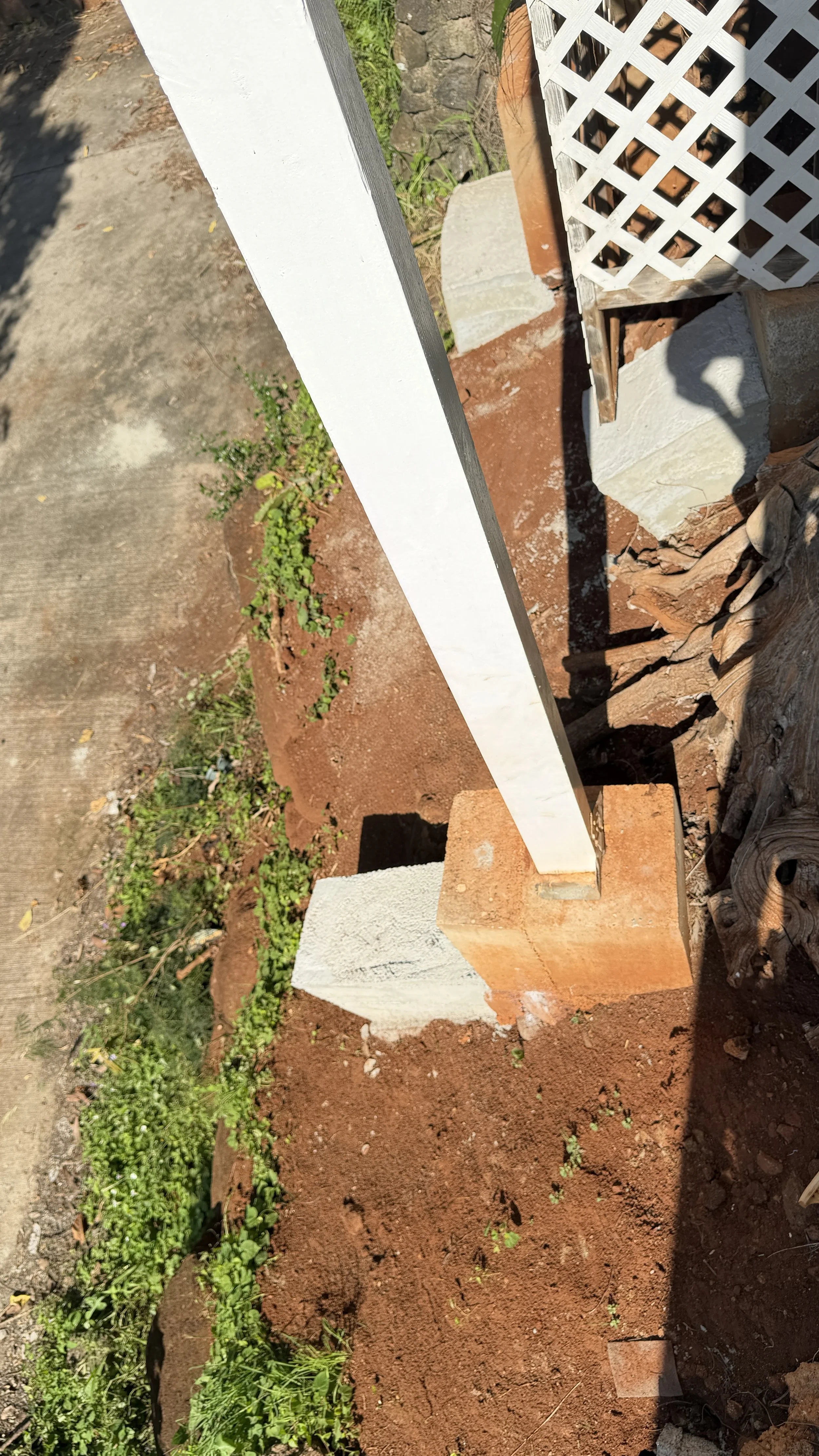
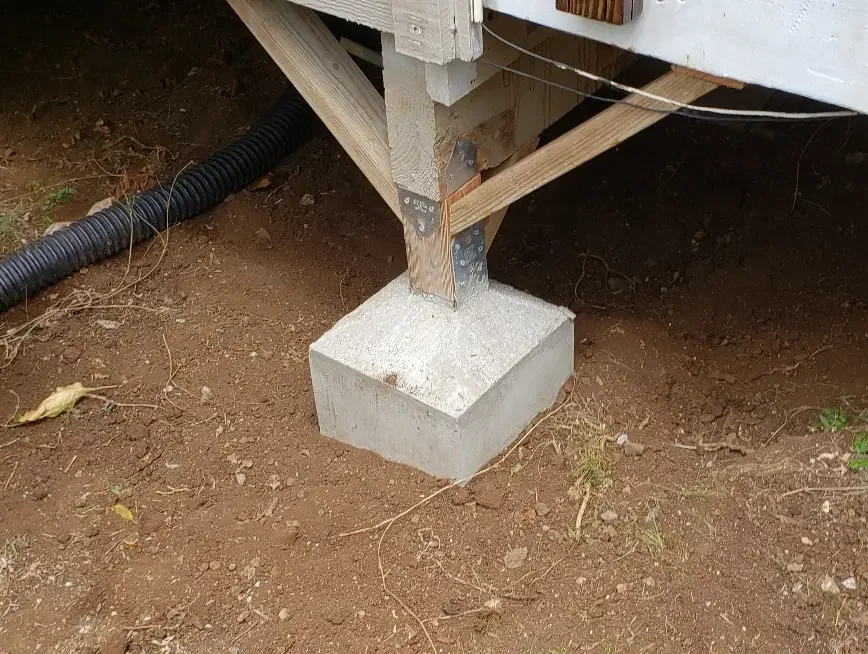
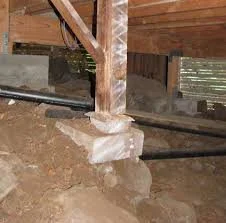
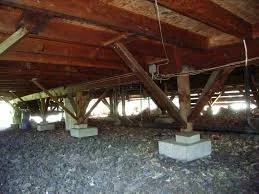
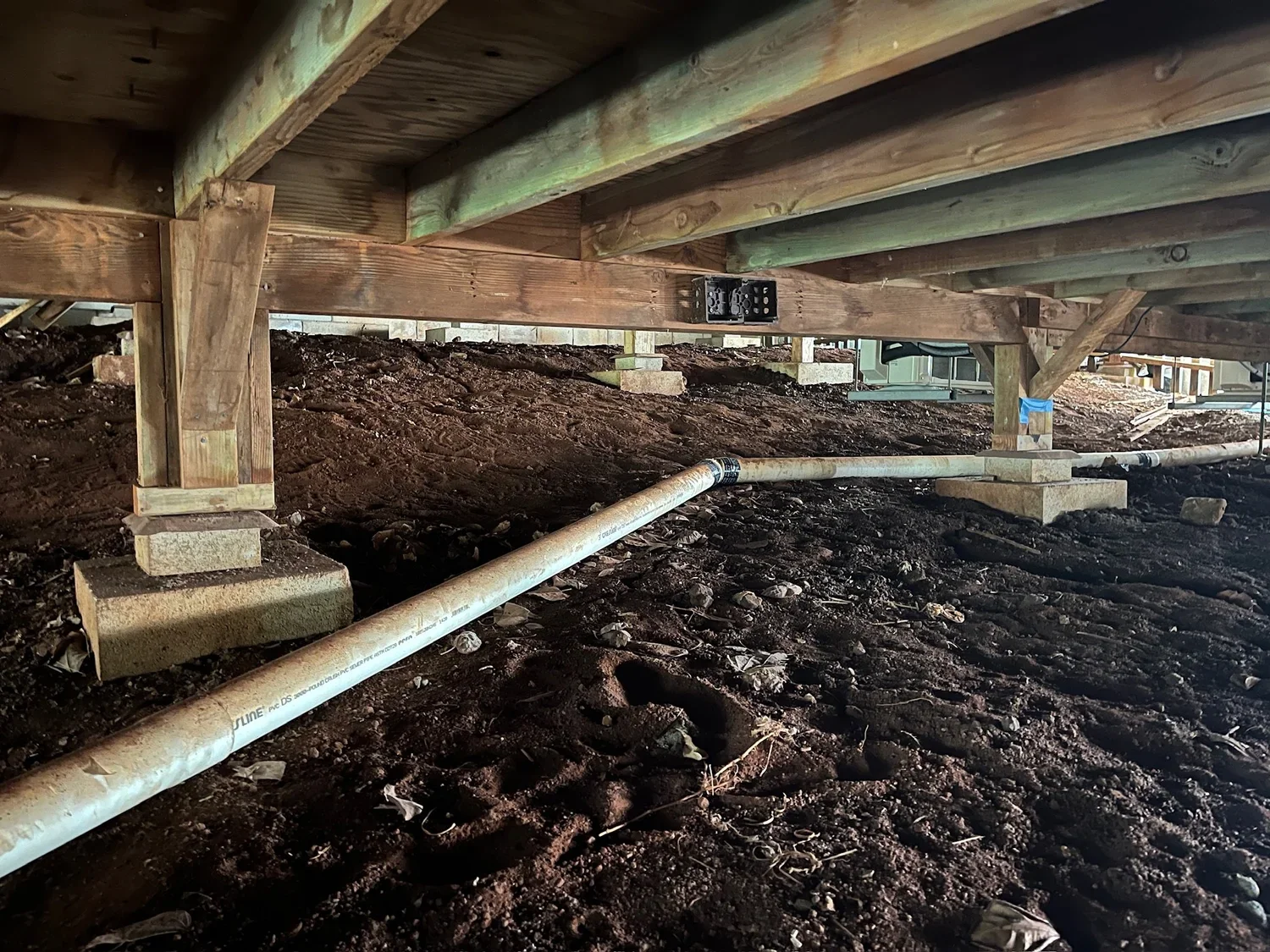
Quick Summary: Tofu blocks are concrete pier blocks widely used as post foundations under older Hawaii plantation-style homes, decks, and outdoor structures. Because they sit directly on or near ground level, routine inspections for wood rot, termite activity, soil settling, and post-to-block alignment are essential to maintain floor levelness and structural stability.
💡 Quick Reference: Tofu Block Foundation Care
What Are Tofu Blocks
Pre-cast pyramid-shaped concrete piers that elevate timber support posts off the ground to protect against soil moisture and ground decay.
Where They Are Found
Older single-family homes, plantation cottages, elevated lanai decks, sheds, and outdoor stair landings across Oahu.
Key Maintenance Signs
Sinking or tilted posts, unlevel interior floors, sticking doors, cracking drywall corners, and subterranean termite mud tubes on the concrete piers.
Best Care Practices
Keep soil and mulch sloped away from the pier base, maintain a clear clearance gap between timber and soil, and inspect support posts annually for dry rot.
Need Help with Deck, Post, or Door Repairs Around Your Home?
Keep your island home stable and functional. FIXIT Oahu assists homeowners and property managers with door adjustments, exterior wood repairs, deck maintenance, and general home punch-list projects.
📞 Call or Text: 808-721-4647
📧 Email: service@fixitoahu.com
📍 Service Area: Honolulu, Windward, and Leeward Oahu
Q: Why are my interior floors unlevel above tofu blocks?
A: Tofu concrete piers sit on top of soil, so ground settling, heavy rain runoff, or decaying wooden posts cause individual blocks to shift over time.
Q: Can sunken tofu blocks be jacked up and leveled?
A: Yes, contractors can temporarily jack up floor joists, replace decayed timber posts, and insert rot-resistant shims or new pier footings to level the floor.
Q: How do I keep termites away from tofu block posts?
A: Ensure timber posts do not touch bare dirt, maintain clear visual gaps around the concrete pier, and inspect regularly for subterranean termite mud tubes.
Q: Are tofu block foundations safe in earthquakes or high winds?
A: Unanchored tofu blocks rely on gravity and home weight. Securing posts to concrete piers with heavy-duty metal tie straps greatly improves structural stability.